LUXURY FURNITURE FOR CONTEMPORARY INTERIORS: DESIGN THAT DEFINES PROJECTS
Luxury furniture is often reduced to a question of finishes, materials or price. However, within contemporary interior projects, true luxury operates on a much deeper level. It is not defined by excess, but by intention. By coherence. By the ability of each element within a space to justify its presence and contribute meaningfully to the whole.
In this context, furniture moves beyond decoration. It becomes a structural and conceptual tool, one that shapes how interiors are perceived, experienced and remembered over time. From hospitality and retail environments to private residences and collectible interiors, luxury furniture plays a decisive role in defining atmosphere, identity and longevity.
At EAST WEST, luxury furniture is understood as a long-term investment. A conscious decision that responds to architectural logic, material honesty and the specific demands of high-end interior projects.
LUXURY FURNITURE BEYOND AESTHETICS
In contemporary luxury interiors, aesthetics alone are no longer sufficient. While visual appeal remains essential, it is no longer the primary driver of value. Instead, luxury furniture is evaluated through a combination of design intelligence, material integrity and spatial relevance.
True luxury furniture does not seek attention through ornamentation. It communicates through proportion, texture and balance. It engages with space quietly yet confidently, allowing architecture and light to coexist naturally. This restrained approach aligns with the expectations of today’s luxury clients, who increasingly value clarity over accumulation.
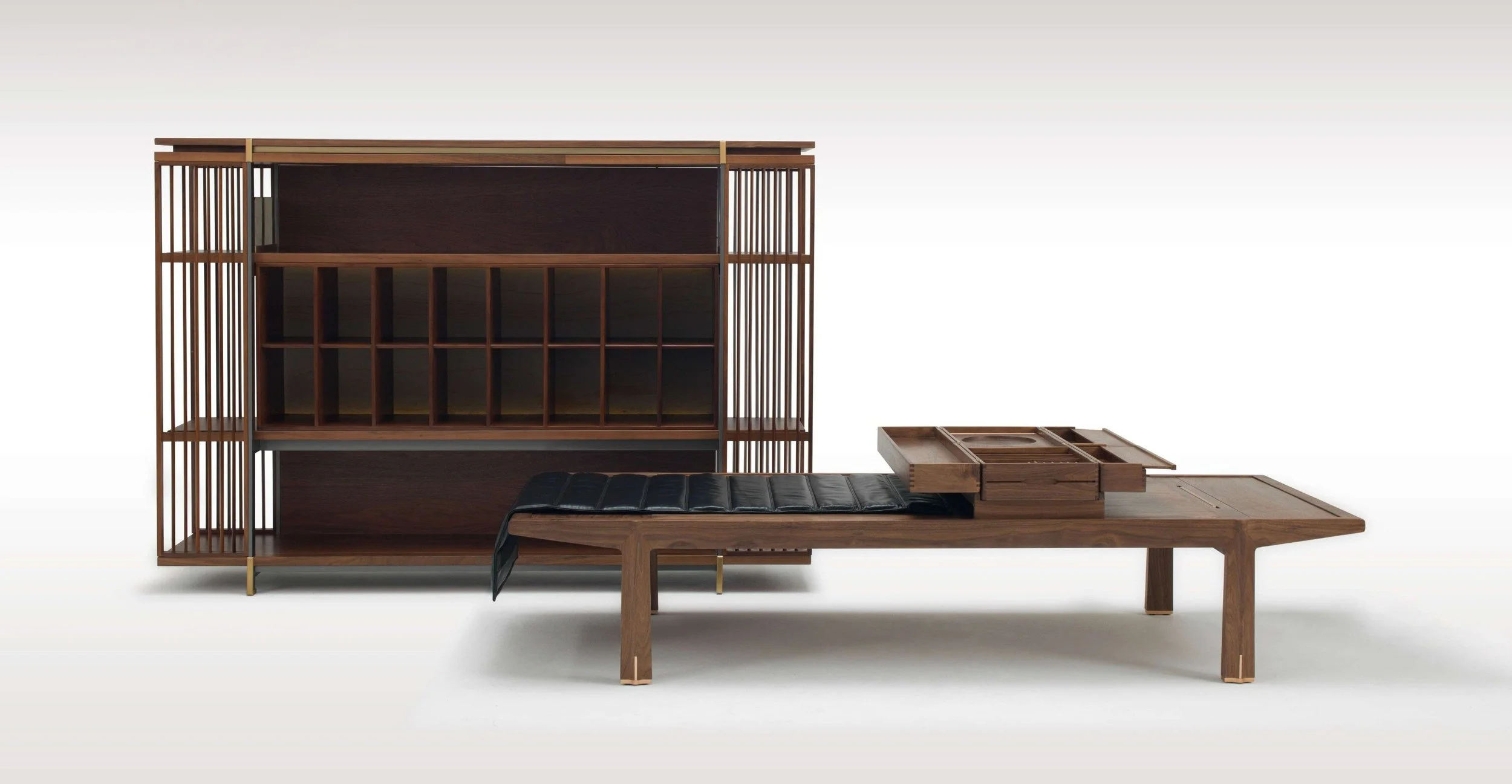
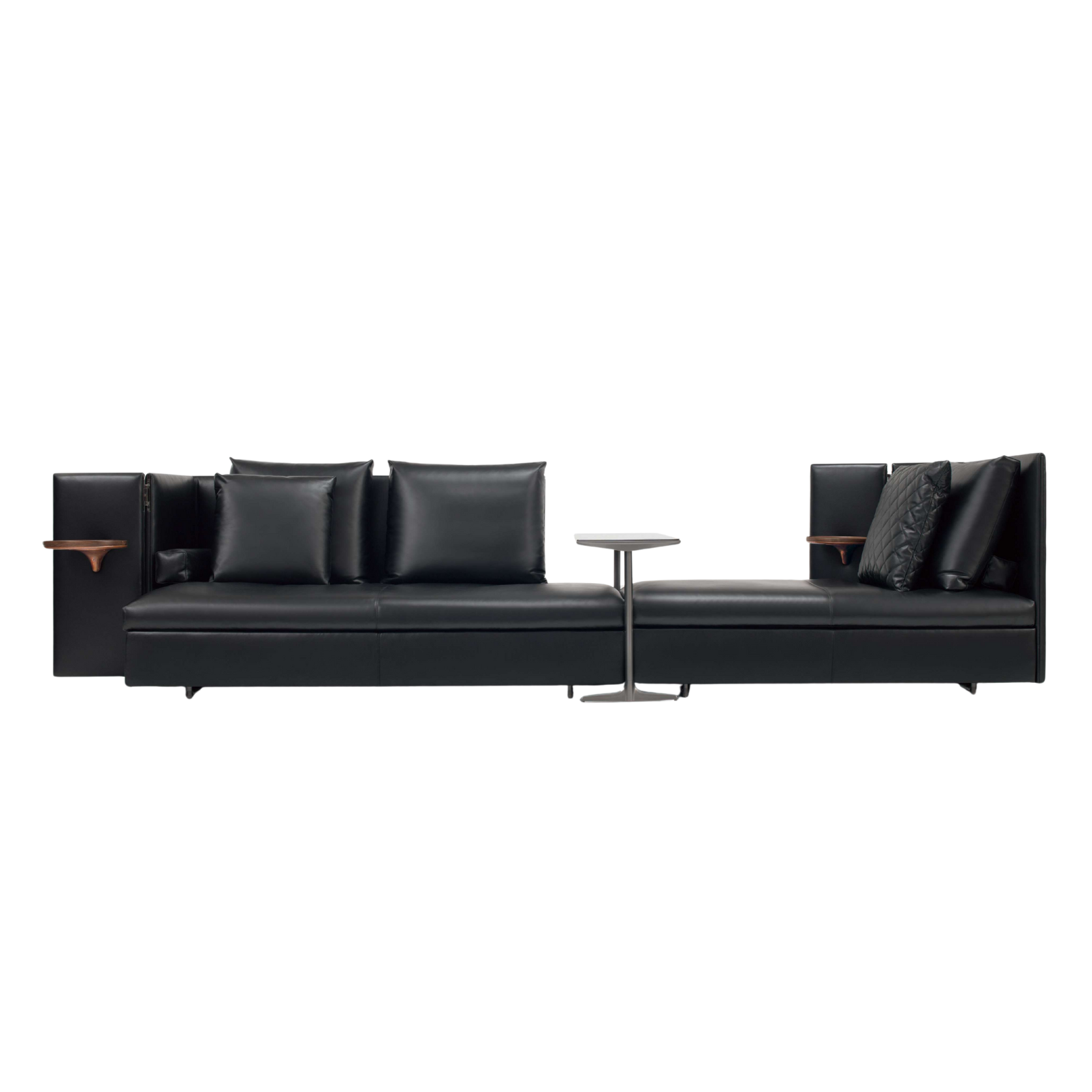
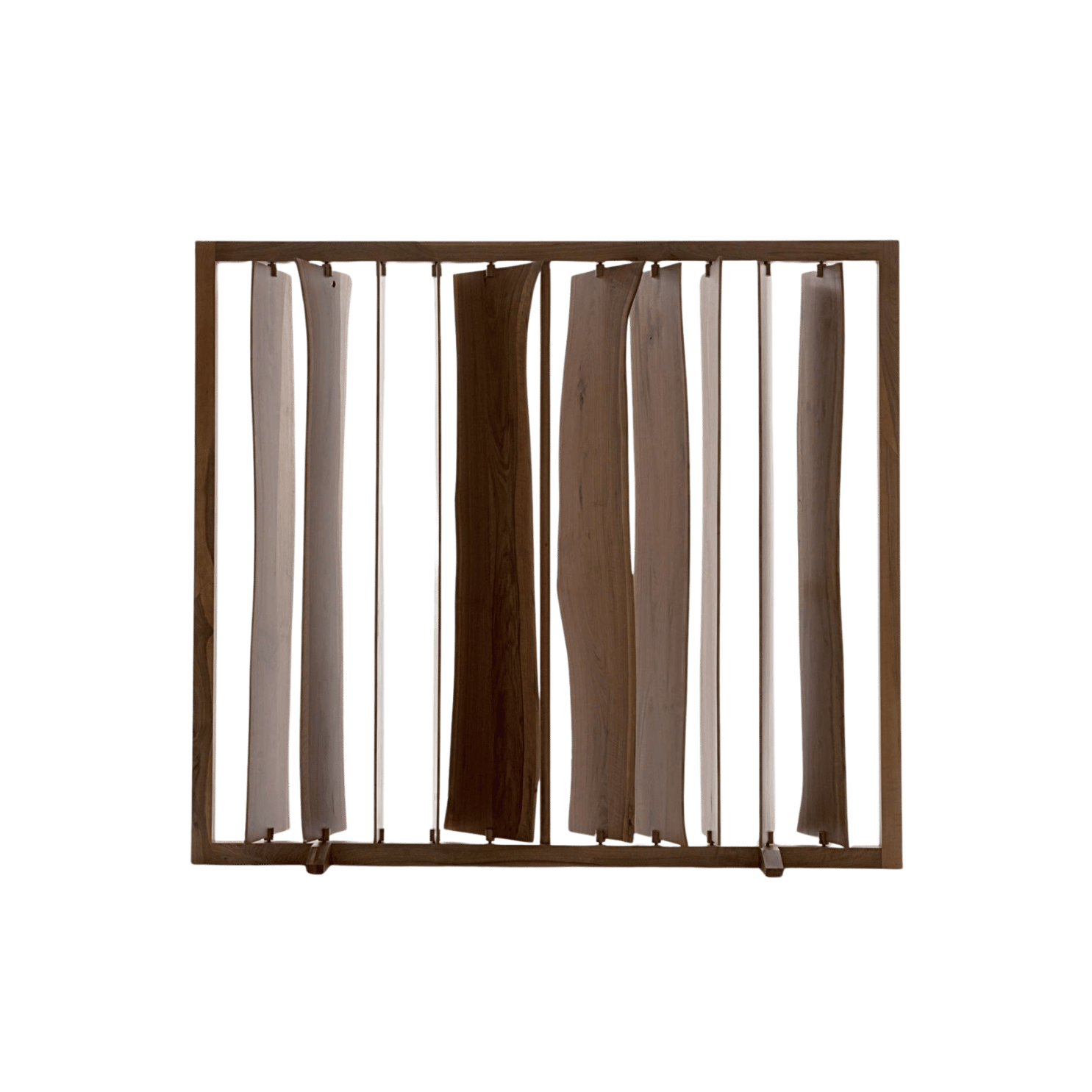
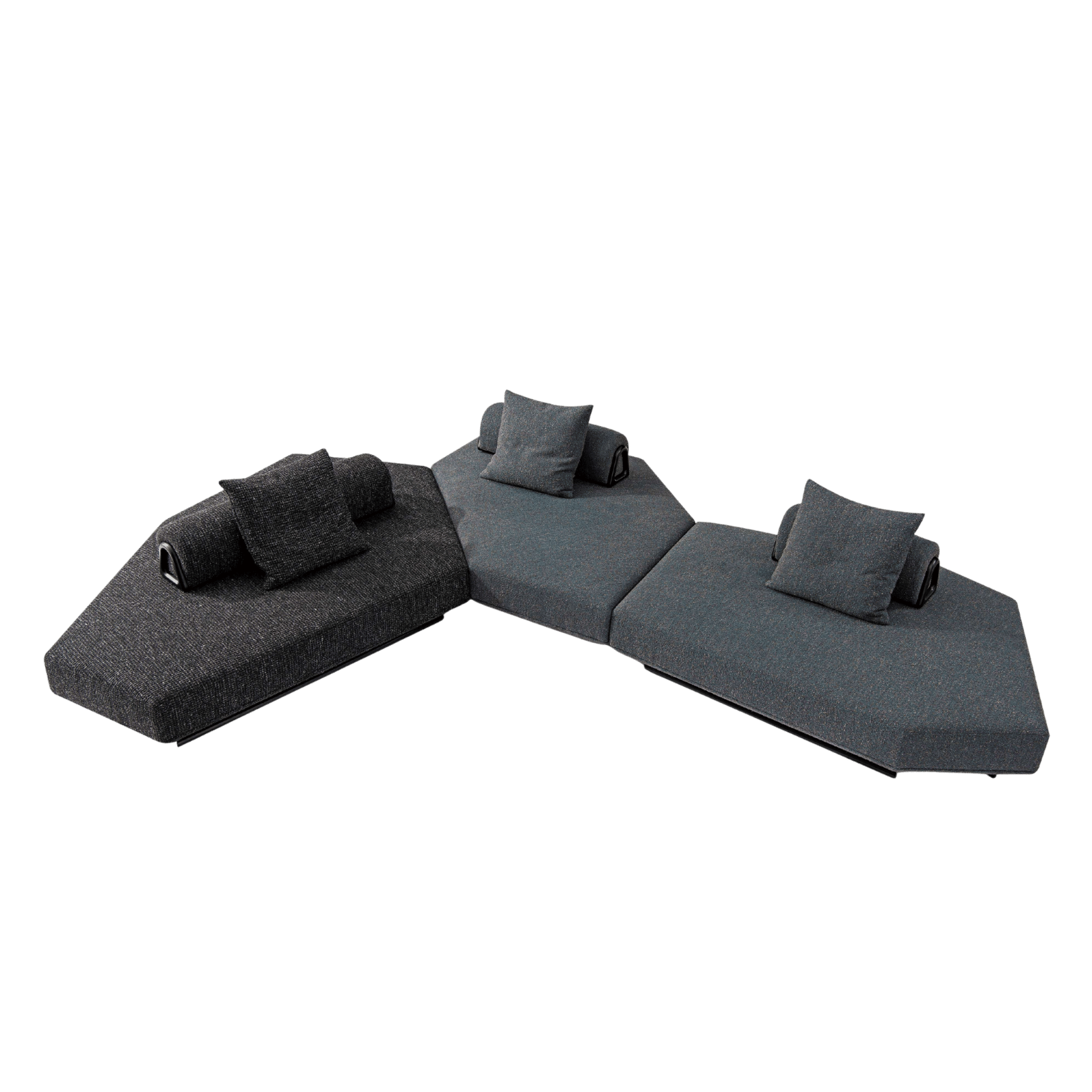
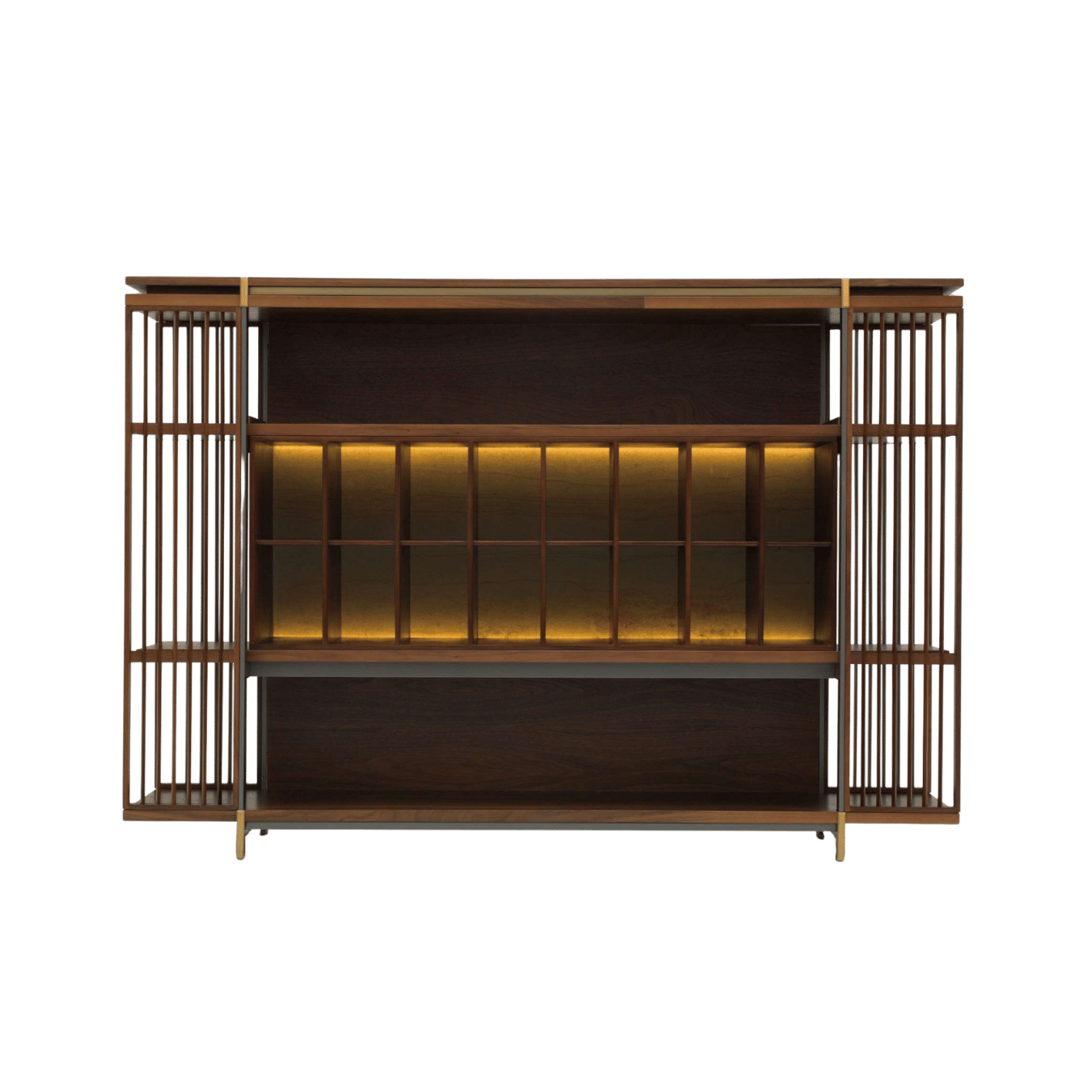
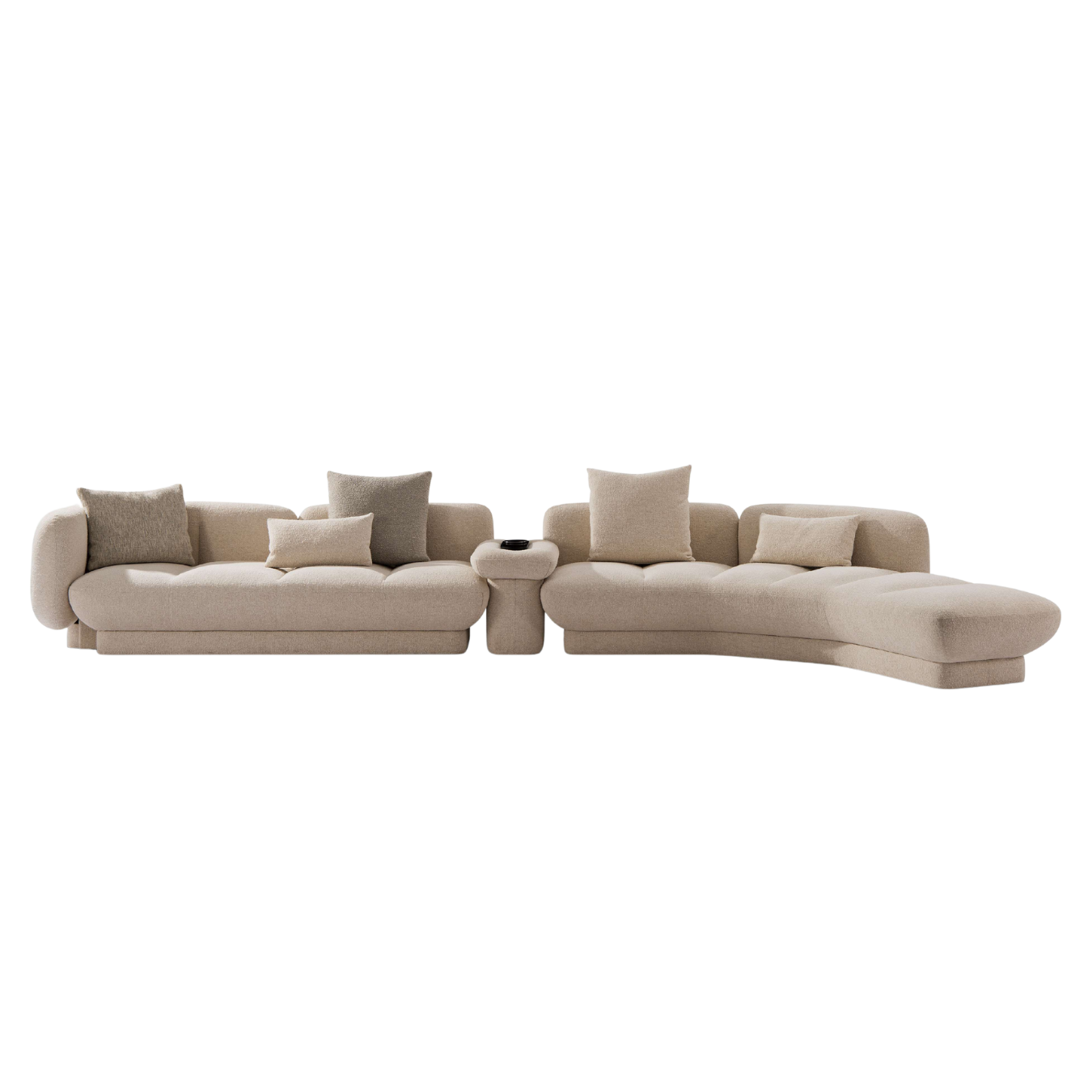
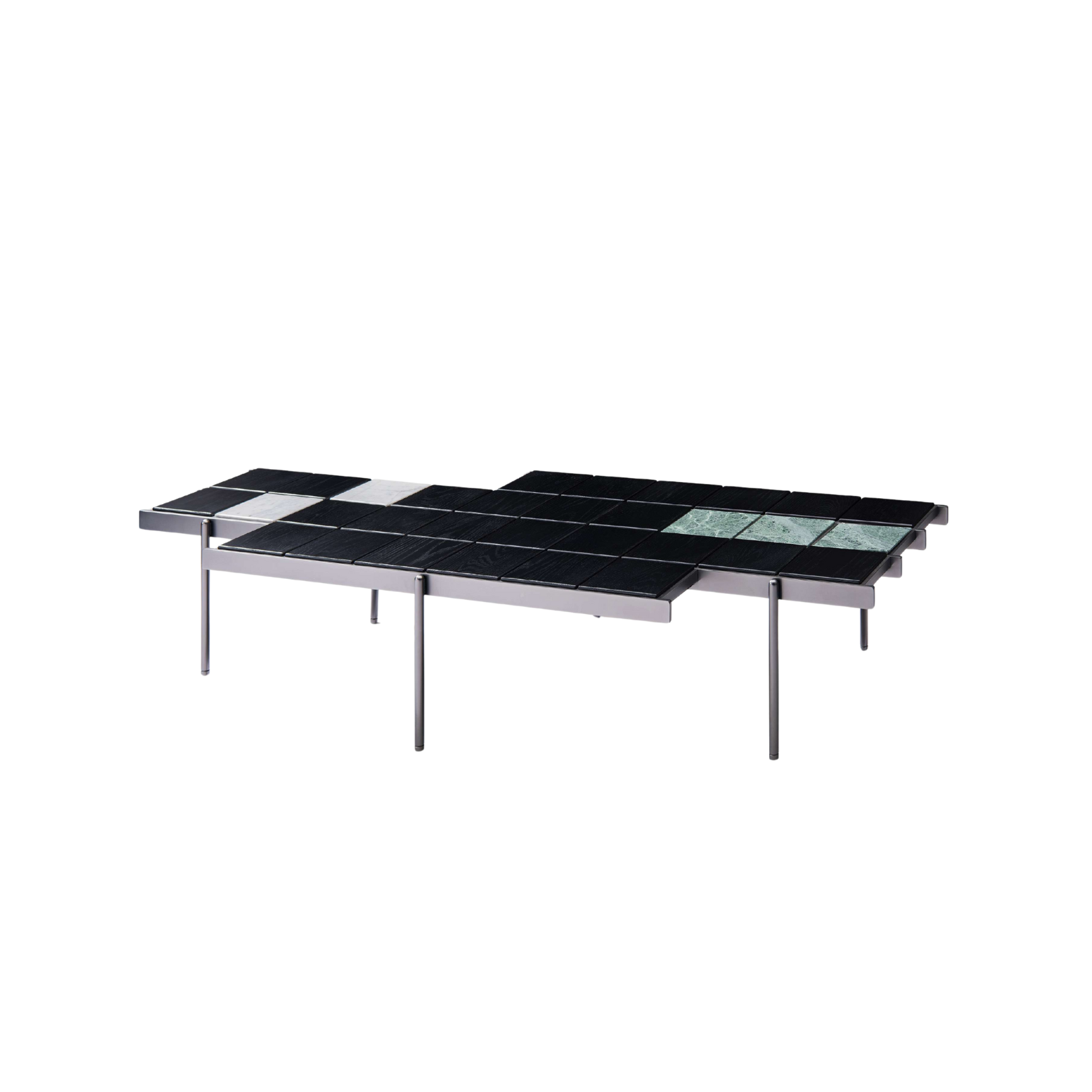
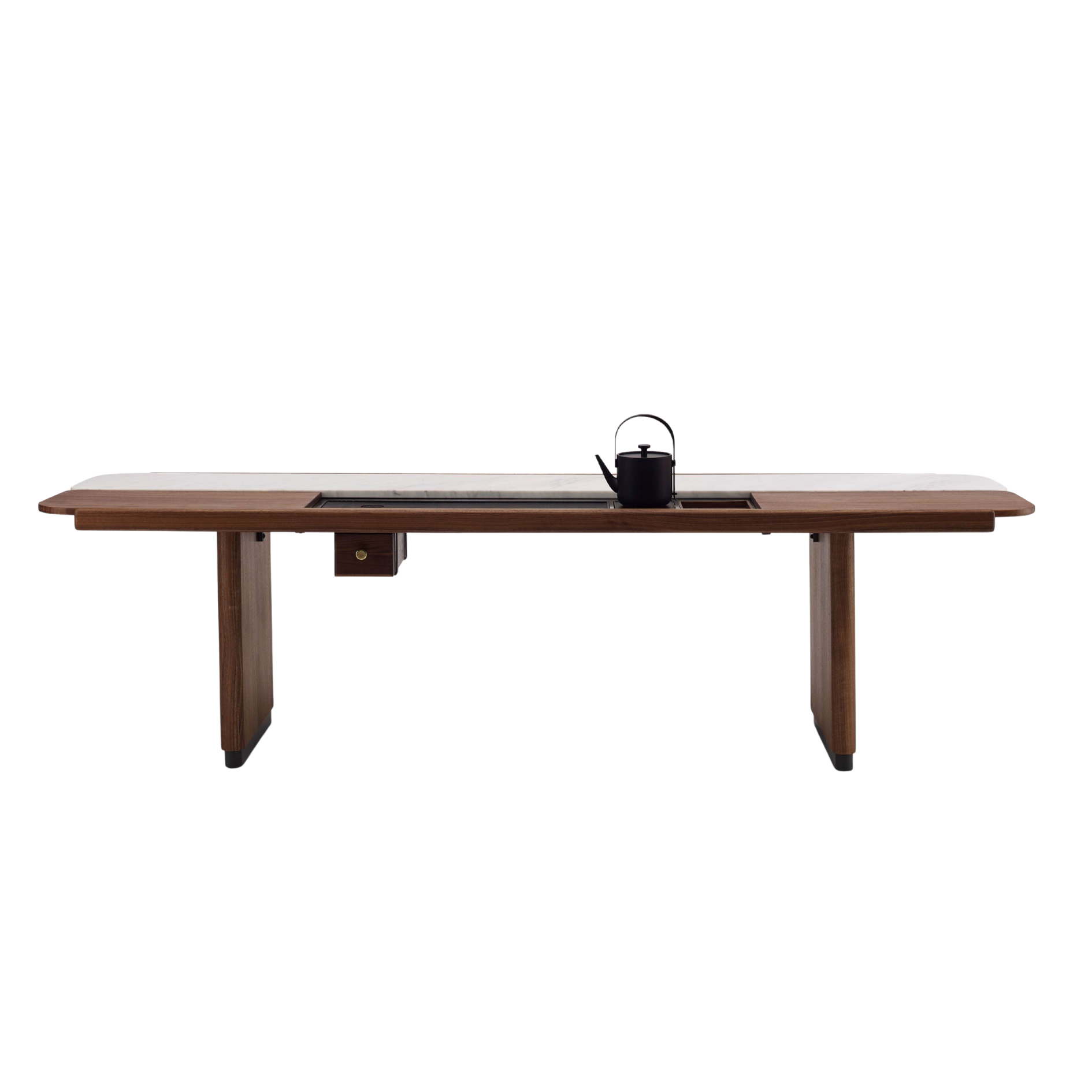
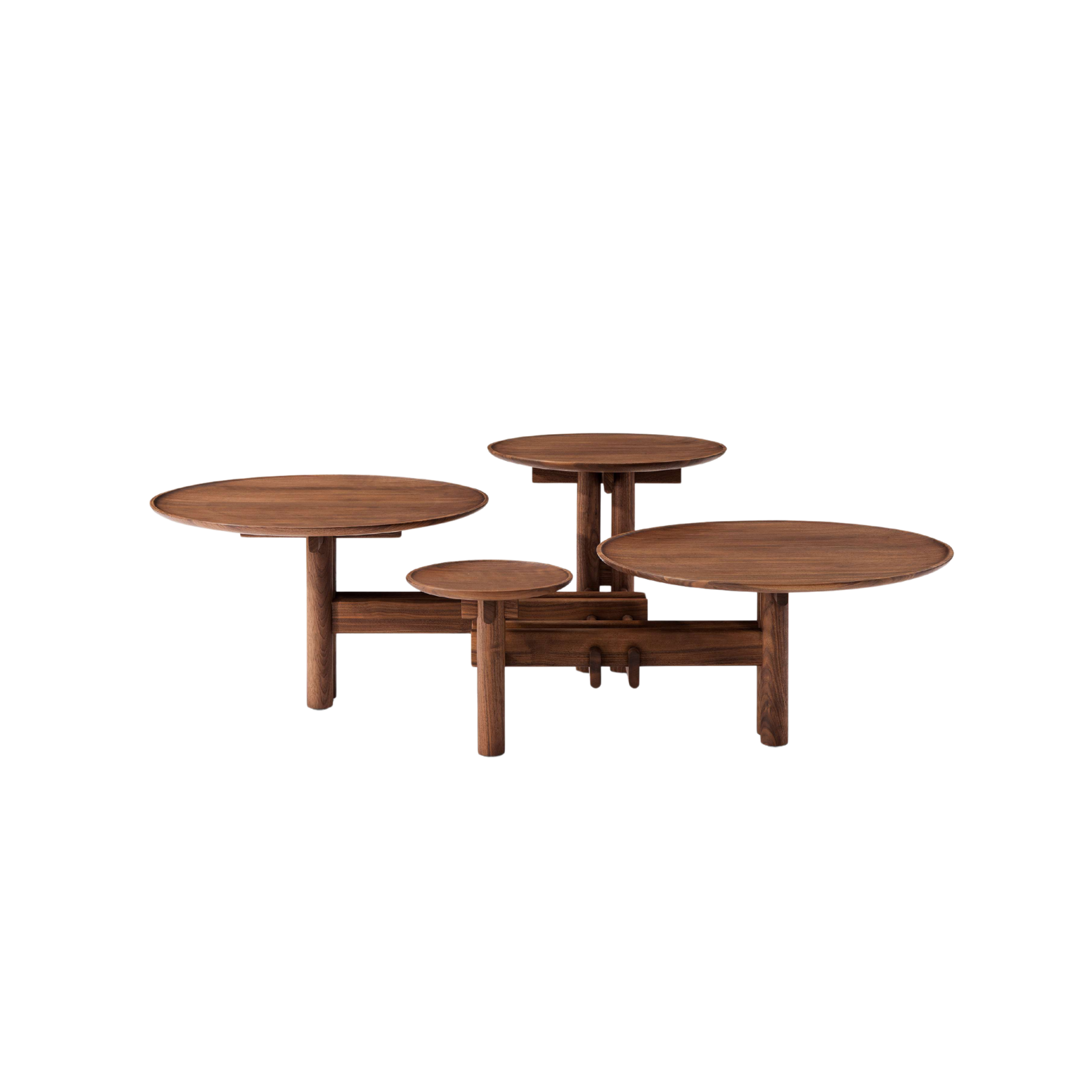
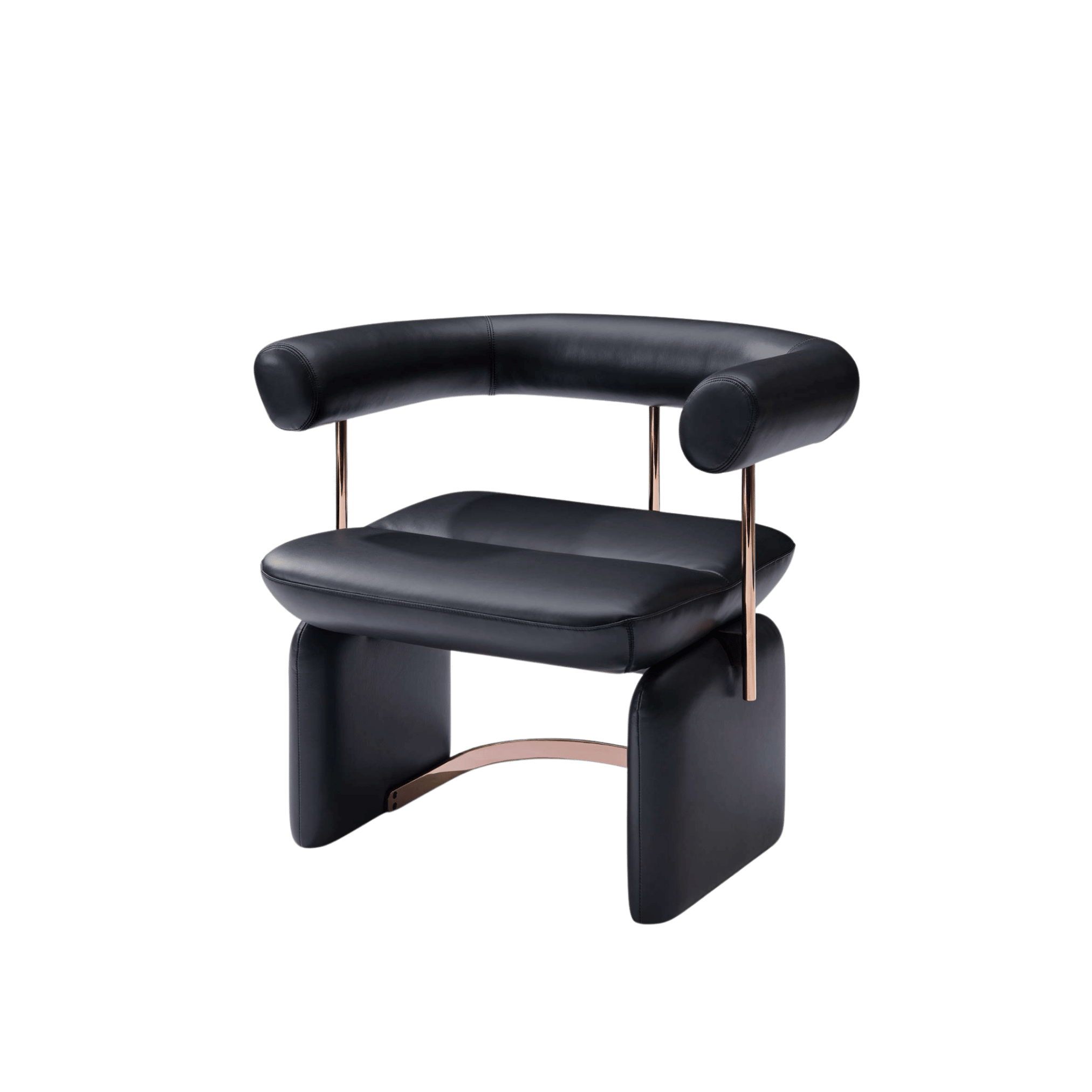
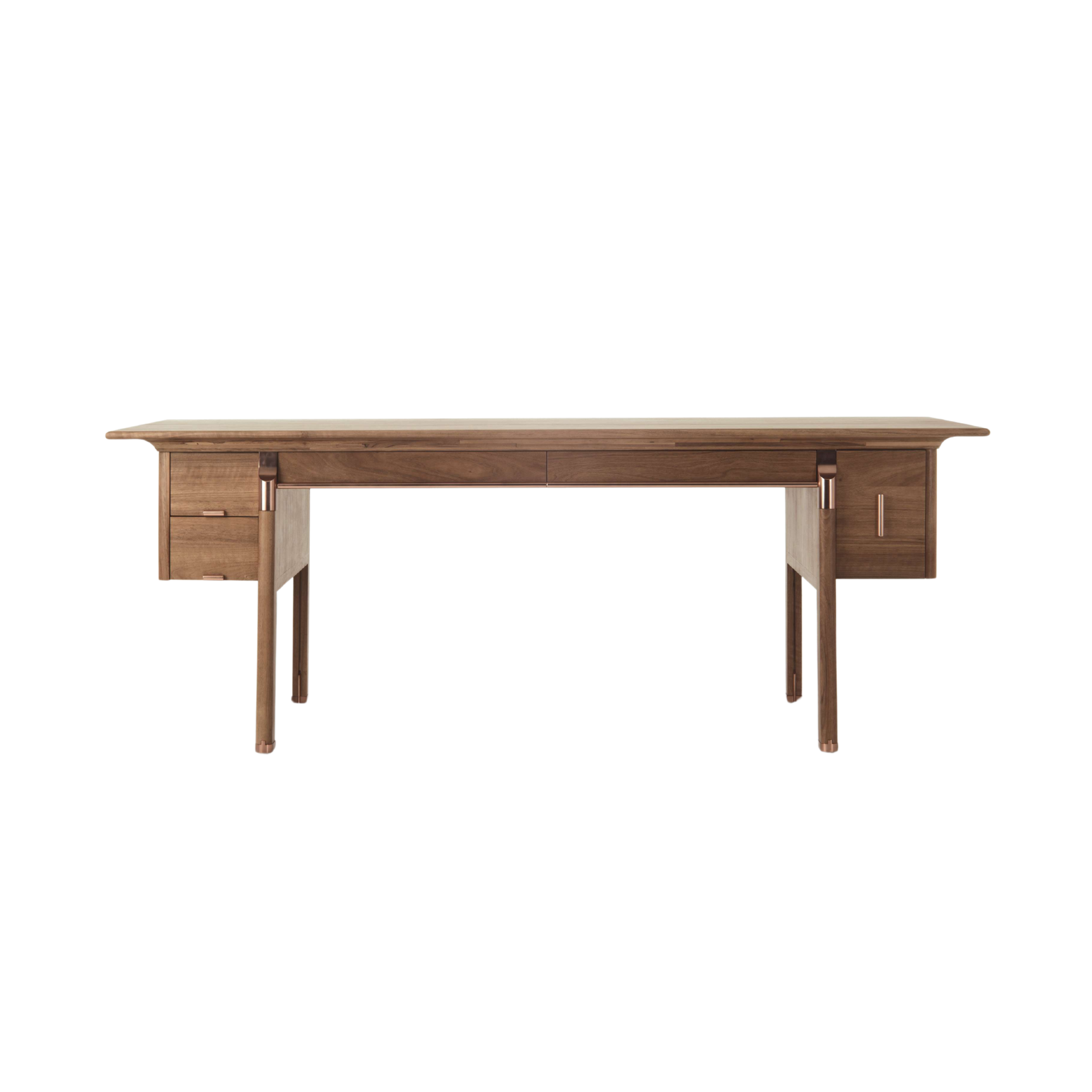
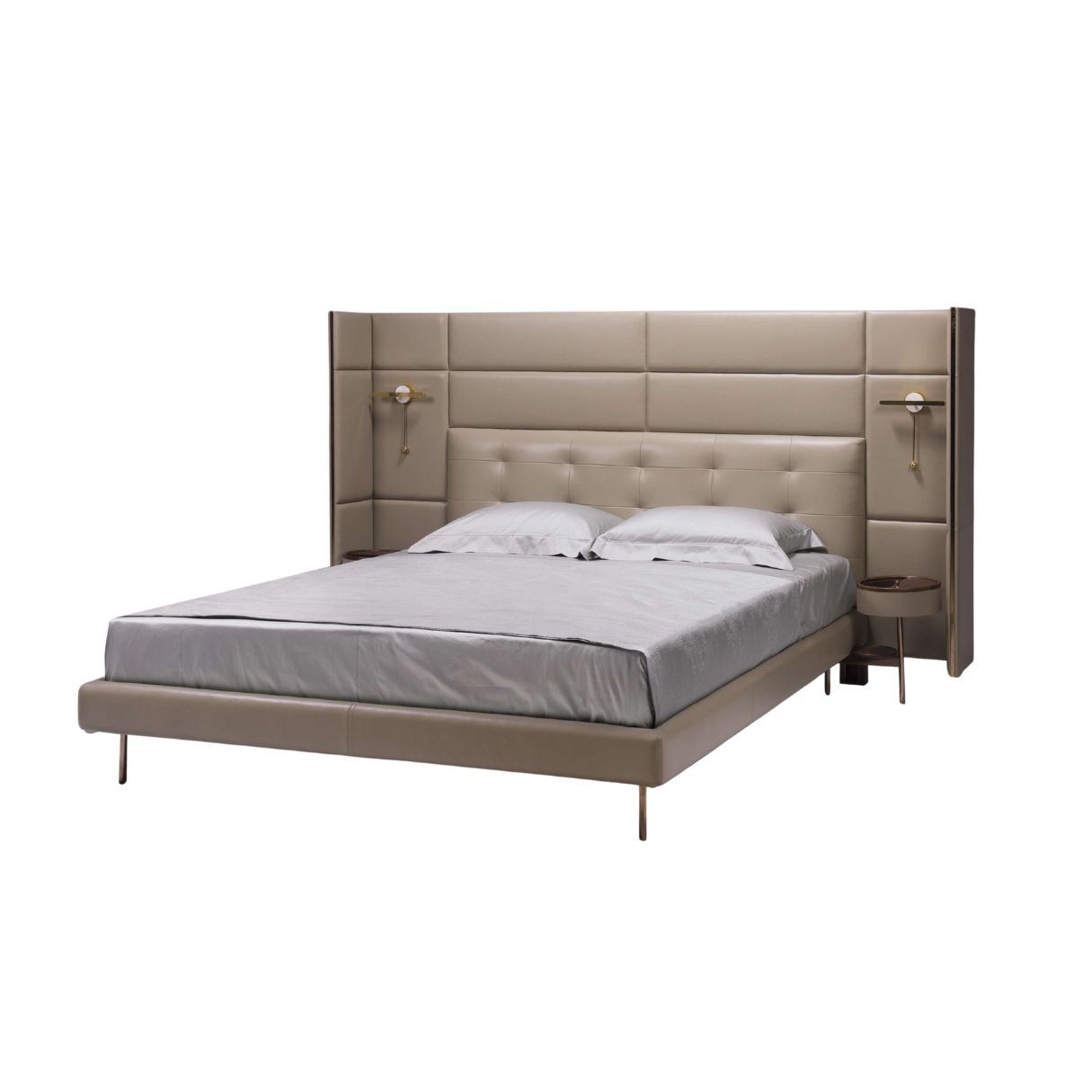
Collection of luxury furnitures selected and curated by EAST WEST
Another defining aspect of luxury furniture is durability—both physical and conceptual. Materials are selected not only for their appearance, but for how they age, how they respond to use and how they maintain presence over time. Design that endures becomes part of the architecture itself, rather than a replaceable layer.
In this sense, luxury furniture transcends trends. It offers continuity, anchoring interiors in a language that remains relevant regardless of shifting aesthetics.
FURNITURE AS A STRATEGIC TOOL IN LUXURY INTERIOR PROJECTS
For architects, interior designers and developers, furniture plays a strategic role within luxury interior projects. It is not a secondary consideration, but an integral part of the spatial narrative.
In hospitality environments, furniture must respond to intensive use while preserving elegance and comfort. In retail spaces, it becomes a physical extension of brand identity, influencing how visitors interact with products and environments. In high-end residential projects, furniture defines how space is inhabited, shaping daily experience.
Luxury interior projects increasingly rely on fewer but stronger elements. Carefully selected furniture pieces can establish hierarchy, guide movement and reinforce architectural intention. When furniture is considered strategically, it reduces the need for visual noise, allowing interiors to feel composed rather than decorated.
This approach requires a deep understanding of scale, circulation and material dialogue. Furniture must work in harmony with architecture, not compete with it. When executed correctly, it becomes a silent but powerful tool—one that supports both functionality and emotion.
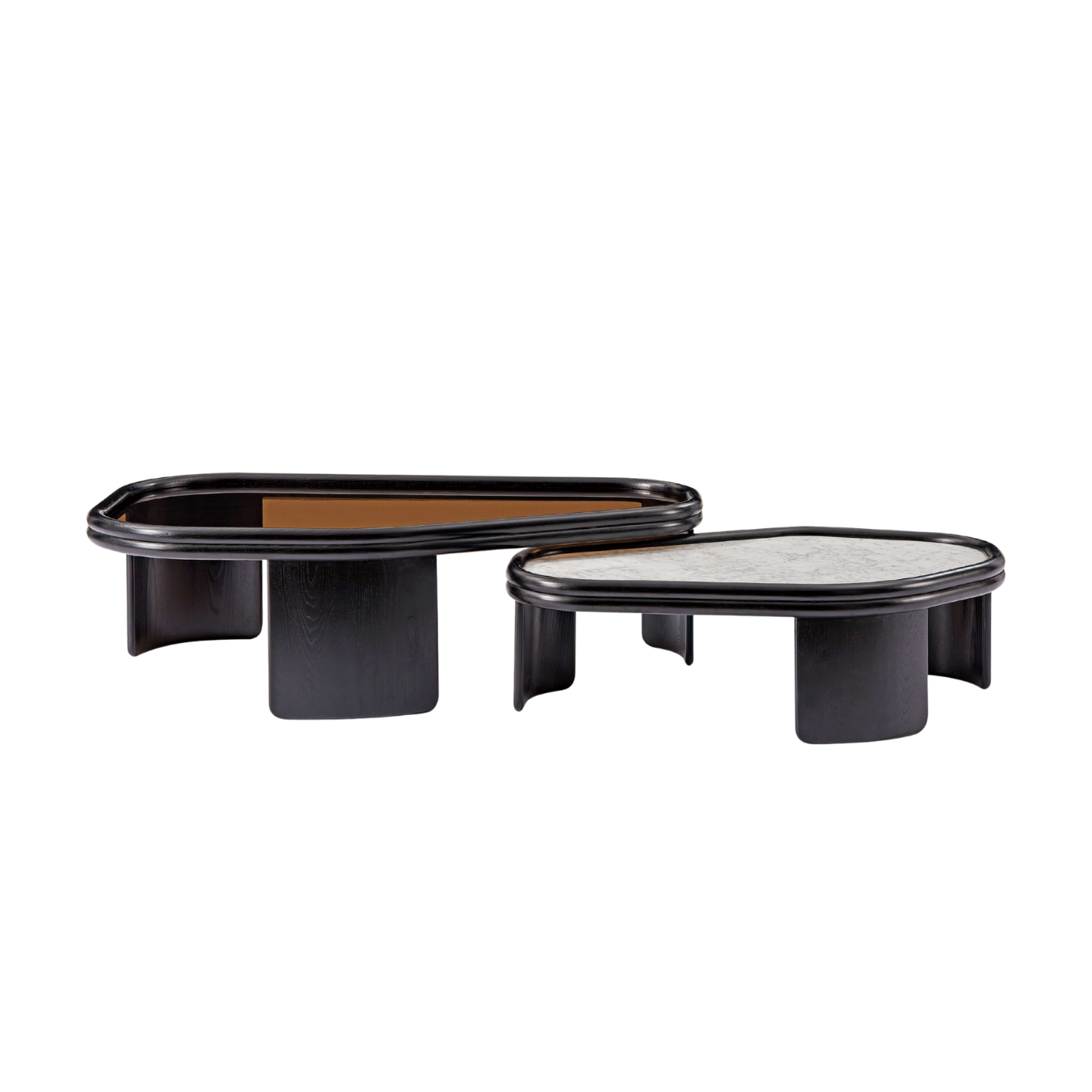
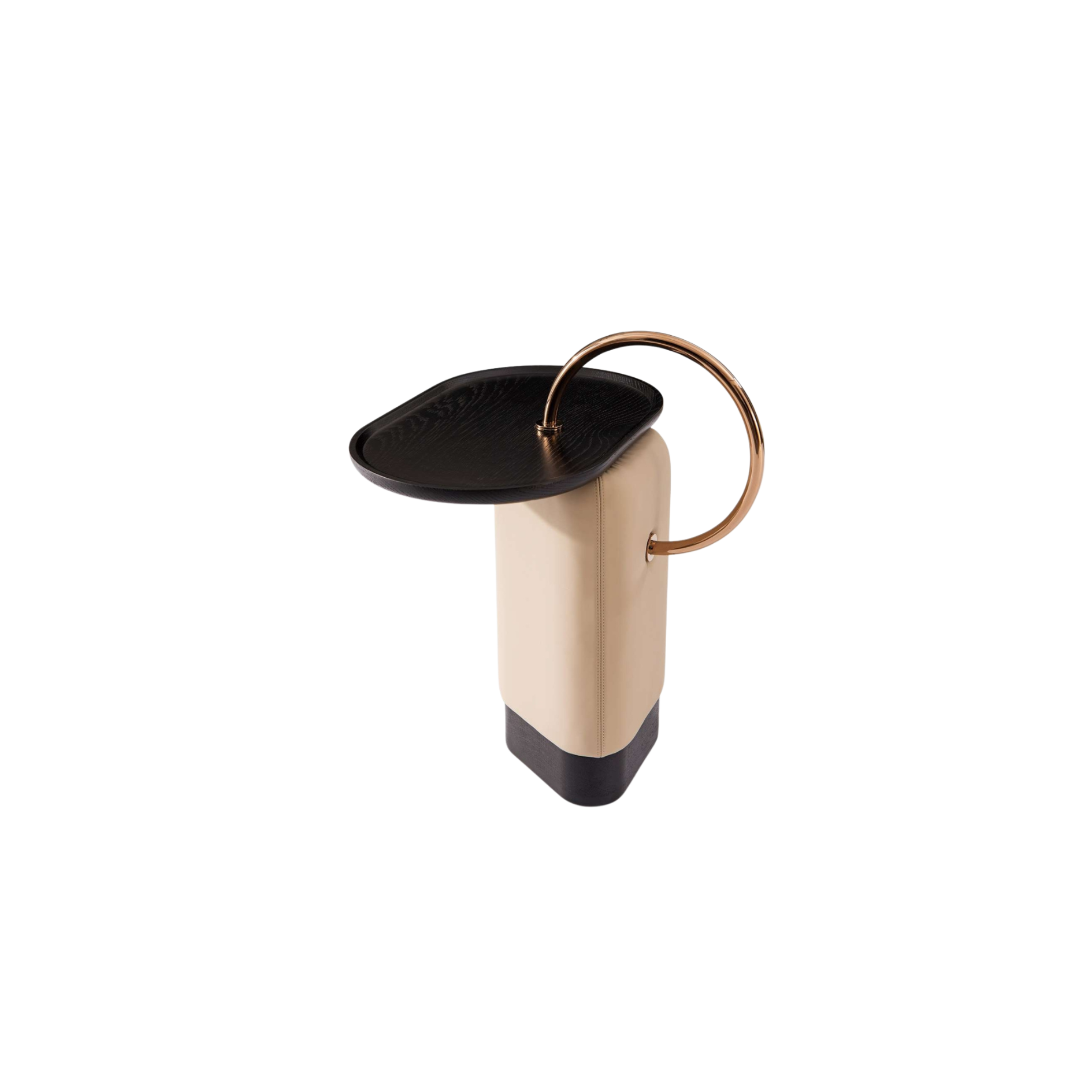
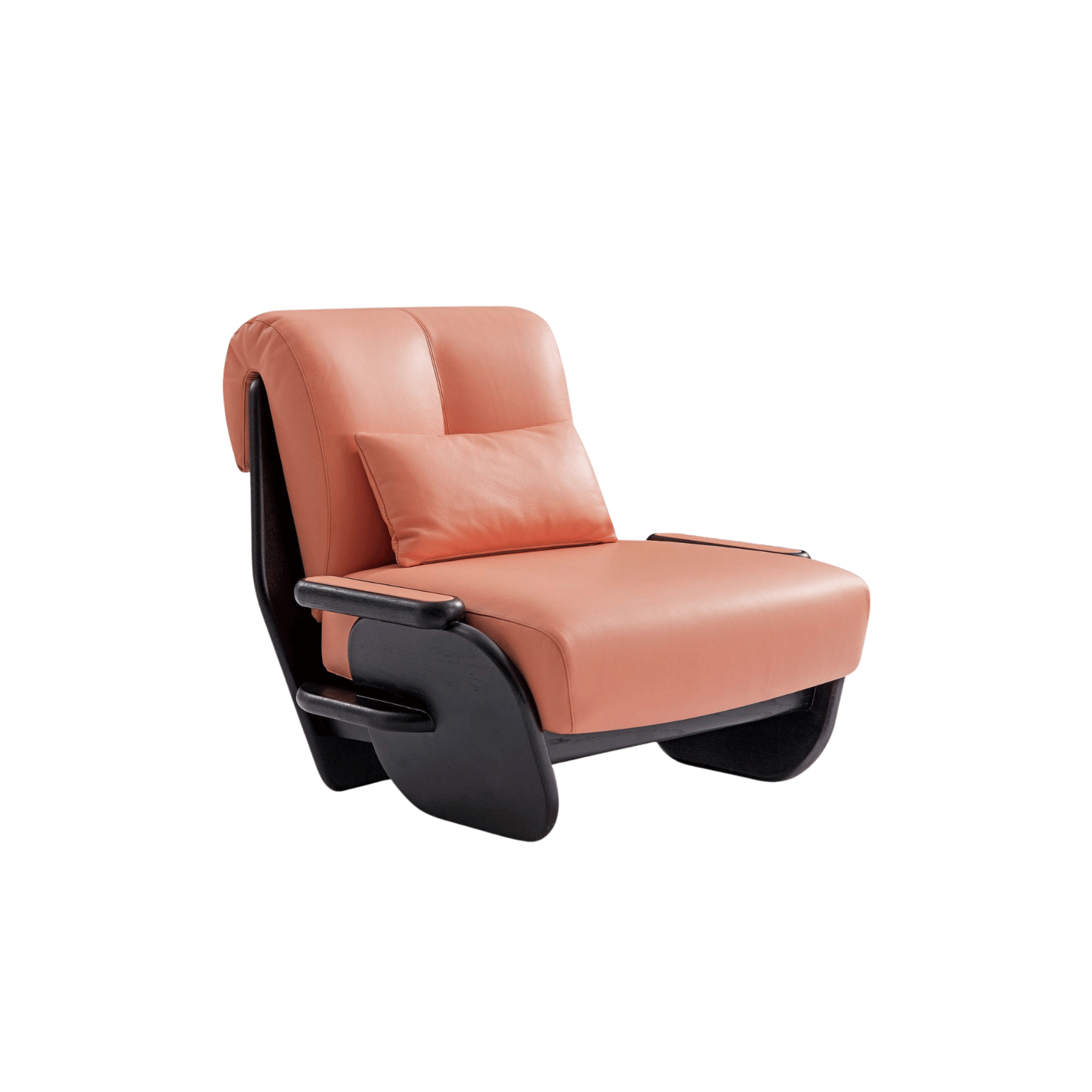
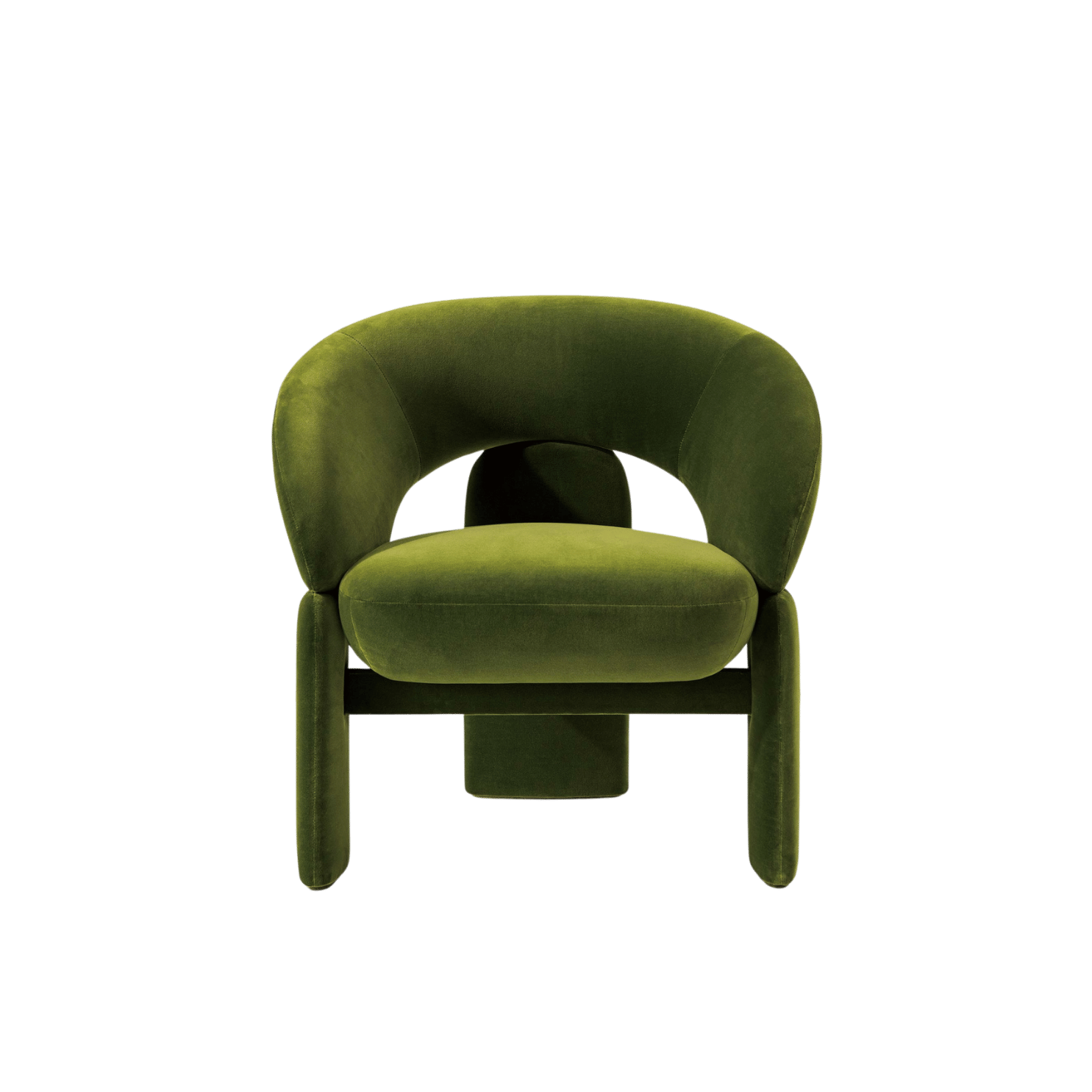
LUXURY FURNITURE IN CONTRACT AND HOSPITALITY PROJECTS
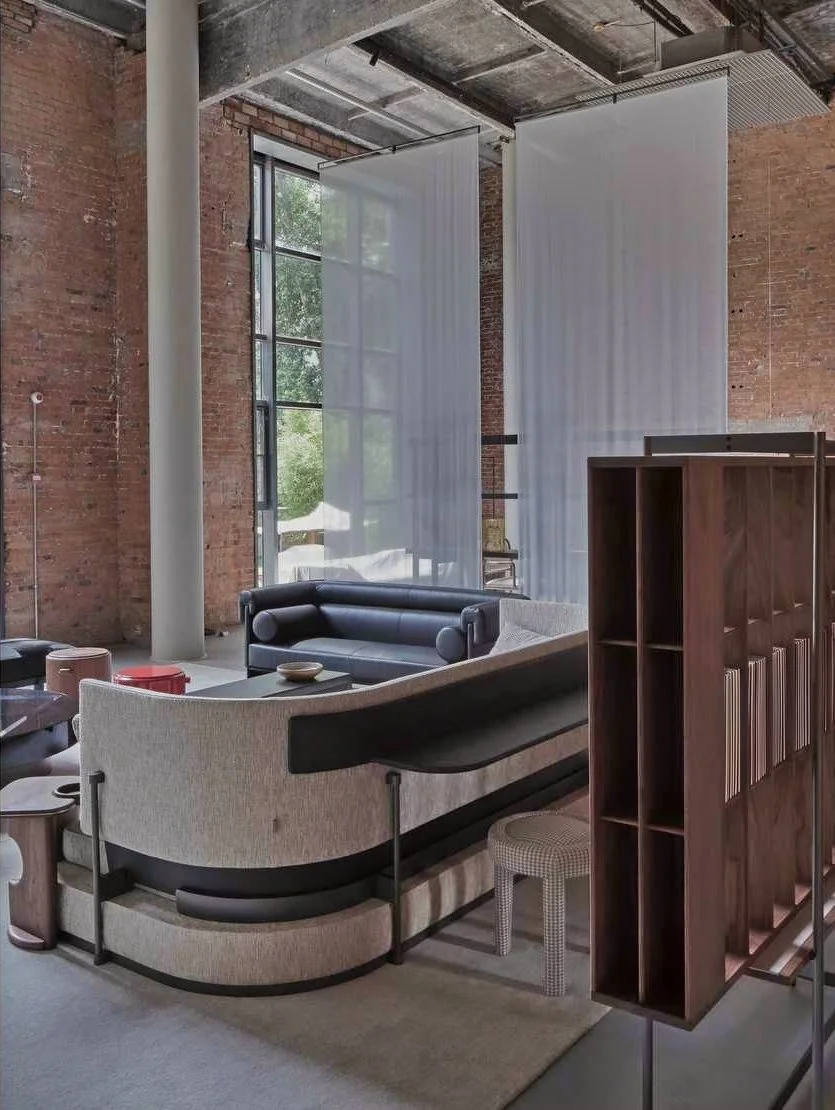
Contract and hospitality environments present specific challenges that demand a refined approach to luxury furniture. Beyond visual coherence, these projects require pieces capable of performing consistently over time while maintaining their aesthetic integrity.
In this context, luxury furniture must respond to a set of concrete requirements:
High durability under intensive use
Furniture in hospitality spaces is subject to constant interaction. Structural strength and material resistance are essential to ensure long-term performance.Consistency across large-scale projects
Contract environments require furniture capable of maintaining visual and material coherence across multiple spaces, rooms or areas.Comfort without compromise
Ergonomics and usability must be carefully balanced with design language, particularly in seating and communal areas.Ease of maintenance and ageing
Luxury furniture should age gracefully, developing character over time rather than showing wear prematurely.Integration with architectural identity
In hotels, restaurants and cultural venues, furniture plays a key role in reinforcing the narrative and atmosphere defined by the architecture and interior design.
As hospitality design evolves towards more experiential and intimate environments, furniture becomes central to shaping how guests perceive and remember a space. In this sense, well-chosen luxury furniture is not a decorative addition, but a strategic component of the overall project.
FROM HOSPITALITY TO PRIVATE COLLECTORS: ONE LANGUAGE, DIFFERENT SCALES
The boundaries between contract furniture, bespoke interiors and collectible design are increasingly fluid. Today, the same furniture language can exist across hospitality projects, retail environments and private collections, adapting to different scales without losing coherence.
A table designed for a boutique hotel may later be appreciated as a collectible piece within a private residence. Likewise, furniture conceived for domestic use may find its place within a gallery-like retail or hospitality setting. What unites these contexts is a shared emphasis on authorship, quality and material expression.
This convergence reflects a broader shift in contemporary interiors, where furniture is valued not only for its function, but for its conceptual and cultural relevance. Collectors, developers and designers alike are drawn to pieces that tell a story—objects that bridge design, art and architecture.
Luxury furniture today speaks a universal language. One that prioritises intention over categorisation, allowing pieces to move naturally between professional projects and personal spaces.
WHY LUXURY INTERIOR PROJECTS REQUIRE CURATED FURNITURE?
As luxury interior projects become more complex, the role of curation becomes increasingly essential. Curated furniture selection is not about offering more options, but about making precise, informed decisions that respond to the logic of each space.
Unlike catalogue-driven approaches, curation prioritises coherence and dialogue. Each piece is selected in relation to architecture, light, materials and use, ensuring that furniture contributes meaningfully to the overall project.
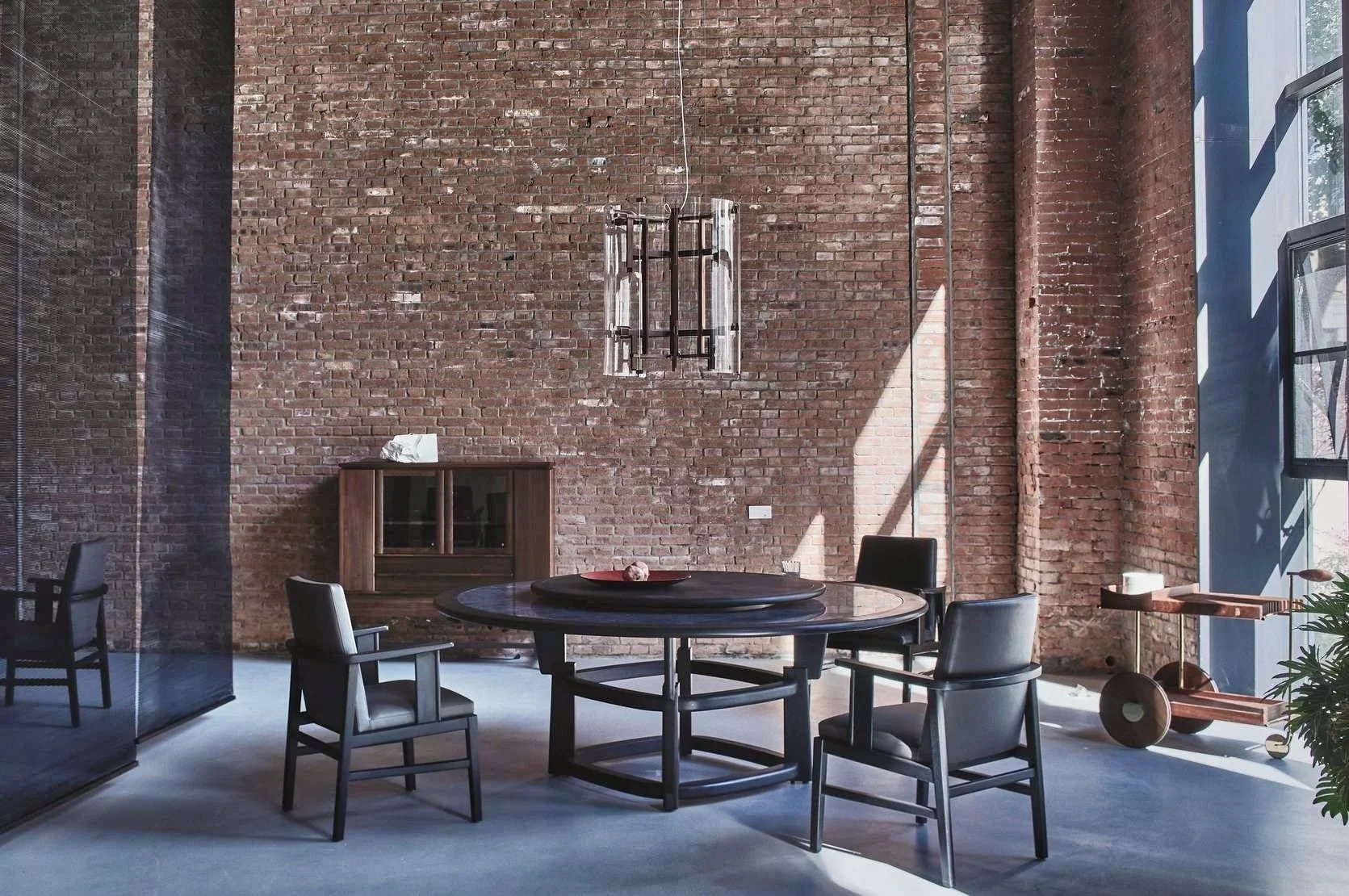
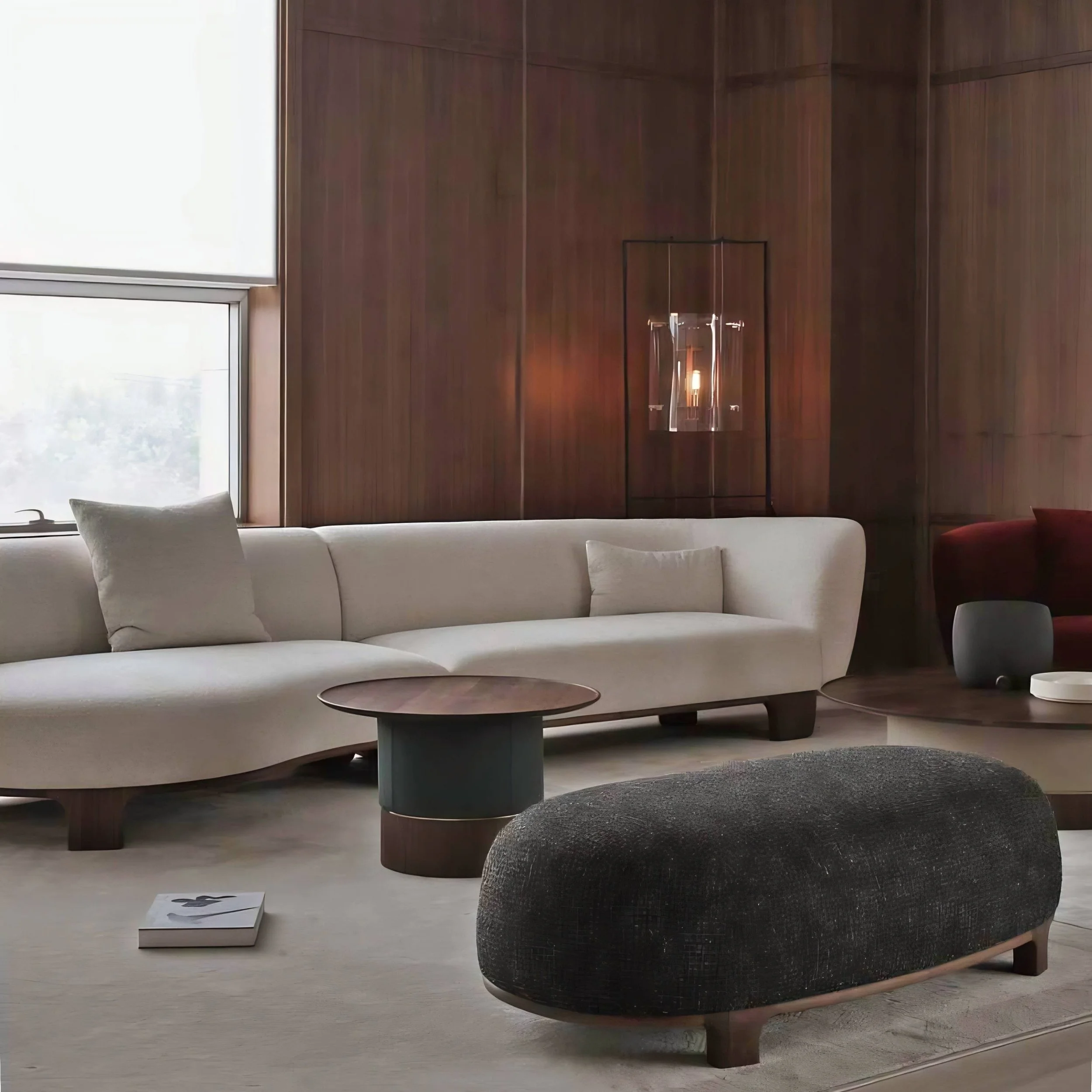
Luxury dining furniture designed for contemporary interior projects
In luxury interiors, curated furniture provides several key advantages:
Spatial coherence
Carefully selected pieces reinforce architectural intent, creating a clear and legible spatial language throughout the project.Reduction of visual noise
Curation allows interiors to rely on fewer, stronger elements, avoiding unnecessary accumulation and decorative excess.Alignment between design and identity
Furniture becomes an extension of the project’s narrative, whether in hospitality, retail or private environments.Long-term relevance
Curated selections prioritise durability and timelessness, ensuring that interiors remain consistent and valuable over time.Informed decision-making
Rather than choosing from infinite options, curated furniture is the result of expertise, experience and contextual understanding.
Through curation, furniture stops being an interchangeable product and becomes an integral part of the architectural ecosystem. This approach is essential in luxury interior projects, where clarity, intention and longevity define true value.
MAXMARKO: CONTEMPORARY LUXURY FURNITURE FOR ARCHITECTURAL SPACES
Maxmarko’s approach to furniture design aligns naturally with the principles of contemporary luxury interiors. The brand develops pieces conceived at an architectural scale, where structure, proportion and materiality form a unified language.
Rather than following trends, Maxmarko focuses on creating furniture that integrates seamlessly into complex interior projects. Each piece is designed to coexist with architecture, light and space, contributing presence without dominance.
Material selection plays a central role in this process. Finishes are chosen for their tactile qualities and their ability to age gracefully. Forms are precise, deliberate and restrained, allowing the furniture to adapt to a wide range of luxury interior contexts—from hospitality and retail to private collections.
Designed for contract, conceived for longevity
Maxmarko’s furniture is developed with real-world use in mind. Structural integrity, material resistance and construction quality are integral to the design process, making the pieces suitable for contract and hospitality environments.
This focus on longevity does not compromise aesthetic ambition. Instead, it reinforces it. Furniture designed to endure gains character over time, becoming part of the spatial narrative rather than a temporary solution.
For luxury interior projects, this balance between durability and refinement is essential. It ensures that furniture remains relevant, functional and visually coherent throughout the lifecycle of the space.
EAST WEST AS A PARTNER FOR LUXURY INTERIOR PROJECTS
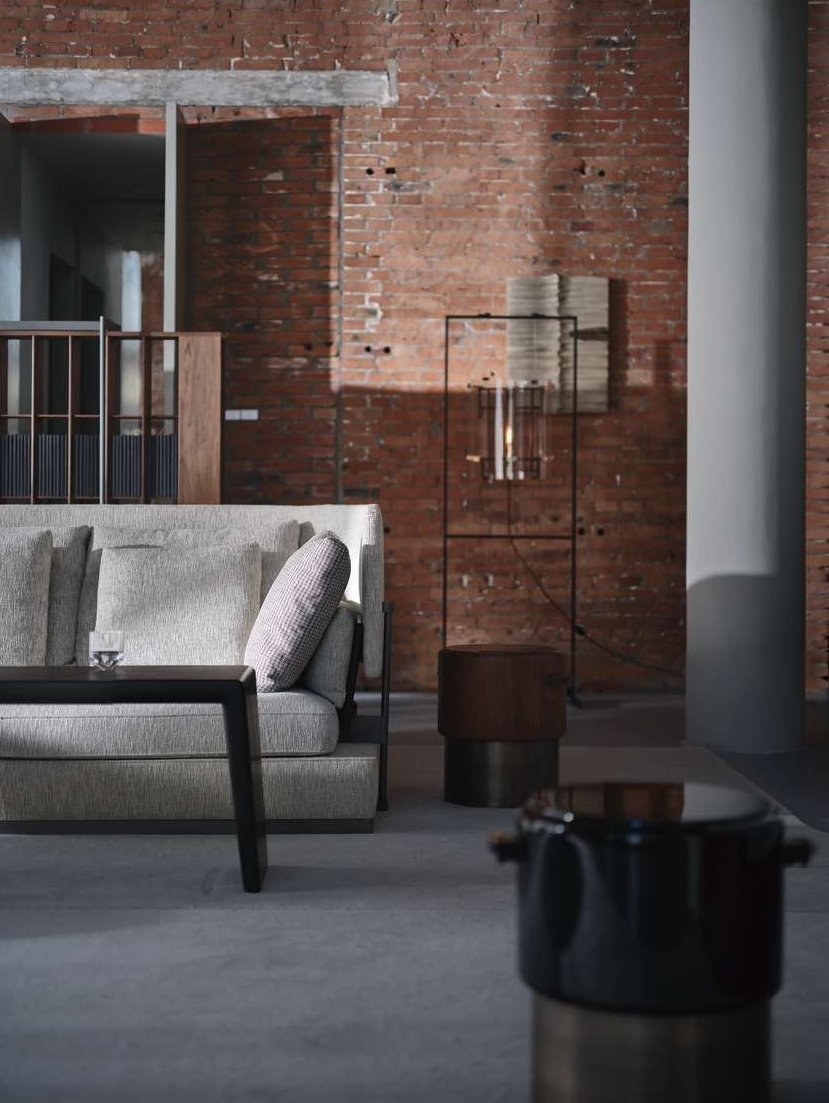
EAST WEST operates at the intersection of luxury furniture, collectible design and architectural interiors. The focus is not on volume, but on intention, supporting projects through careful curation and long-term vision.
Working closely with architects, interior designers and developers, EAST WEST approaches each project as a unique ecosystem. Furniture is selected not as an isolated element, but as part of a broader spatial strategy that considers identity, use and atmosphere.
This collaborative approach allows luxury interior projects to move beyond surface-level aesthetics. By prioritising coherence, material dialogue and spatial relevance, furniture becomes an integral part of the architectural experience.
In a landscape increasingly defined by speed and repetition, EAST WEST advocates for a more considered approach—one where luxury furniture is valued for its ability to define space, support function and endure over time.
FREQUENTLY ASKED QUESTIONS ABOUT LUXURY FURNITURE AND INTERIOR PROJECTS
What defines luxury furniture in contemporary interior design?
Luxury furniture is defined by intention, material quality, proportion and longevity. It prioritises coherence and spatial relevance over ornamentation.
Is luxury furniture suitable for contract and hospitality projects?
Yes. When designed with durability and structure in mind, luxury furniture can perform exceptionally well in contract and hospitality environments while maintaining aesthetic integrity.
What is the difference between bespoke furniture and collectible furniture?
Bespoke furniture is designed for a specific project or client, while collectible furniture is conceived as an authored piece with cultural and design value that can exist across contexts.
Why is curated furniture important in luxury interiors?
Curation ensures coherence, balance and long-term relevance. It allows furniture to contribute meaningfully to the identity and functionality of a space.
How does furniture influence the experience of luxury interiors?
Furniture shapes movement, comfort and atmosphere. Well-selected pieces enhance spatial clarity and emotional connection, defining how interiors are experienced over time.
Follow EAST WEST to stay connected to the artists shaping a different world.
More articles you might be interested in...