
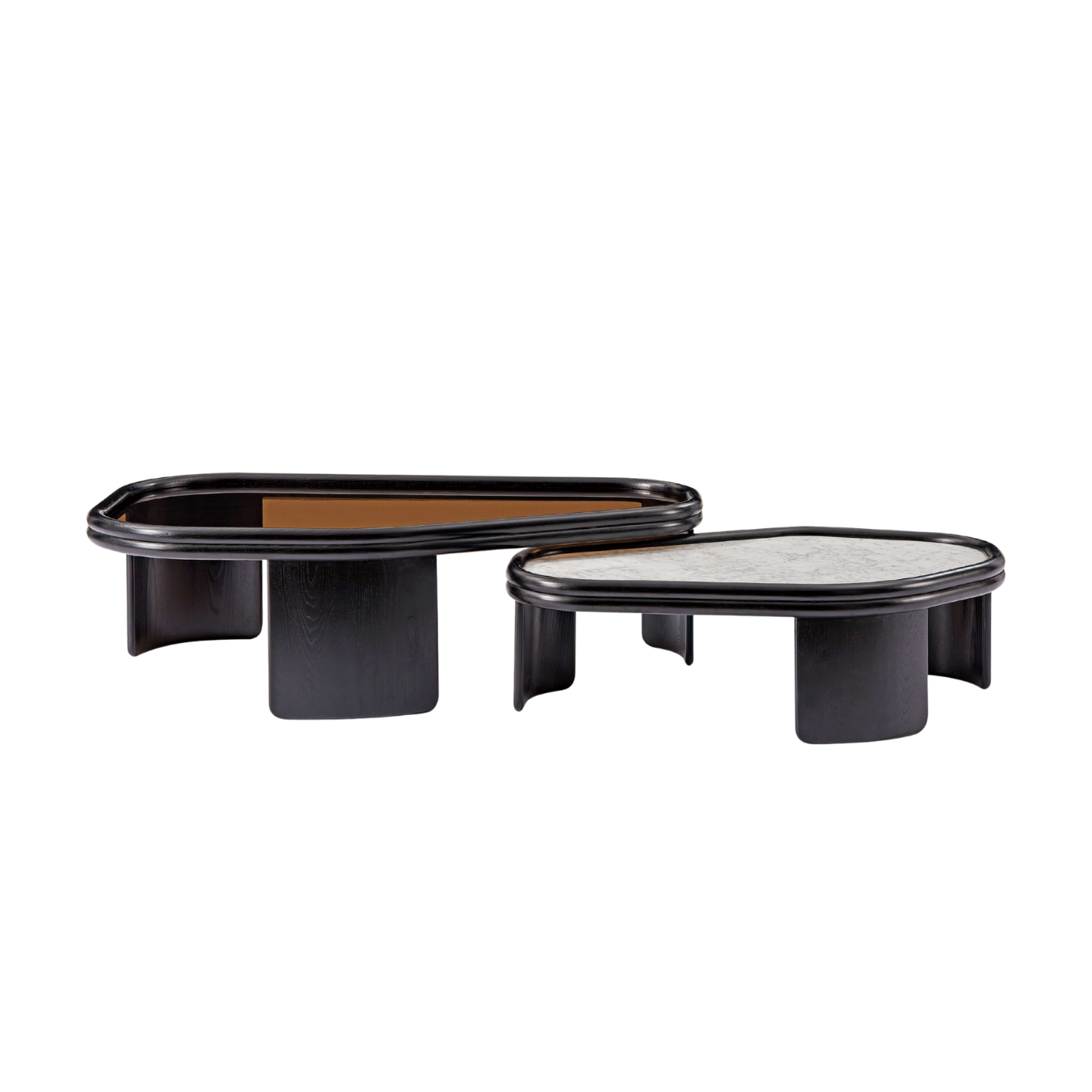
 Image 1 of 5
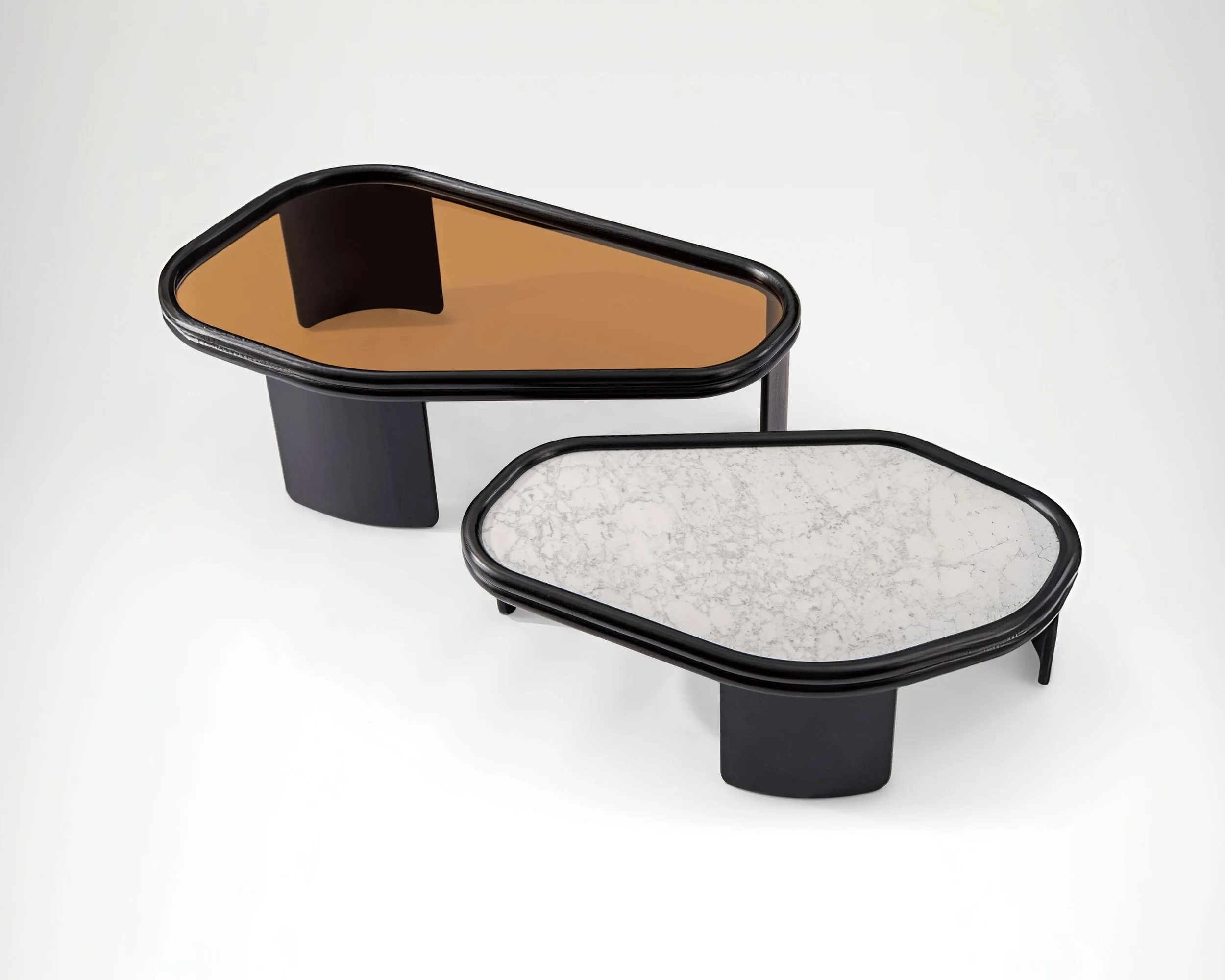 Image 2 of 5
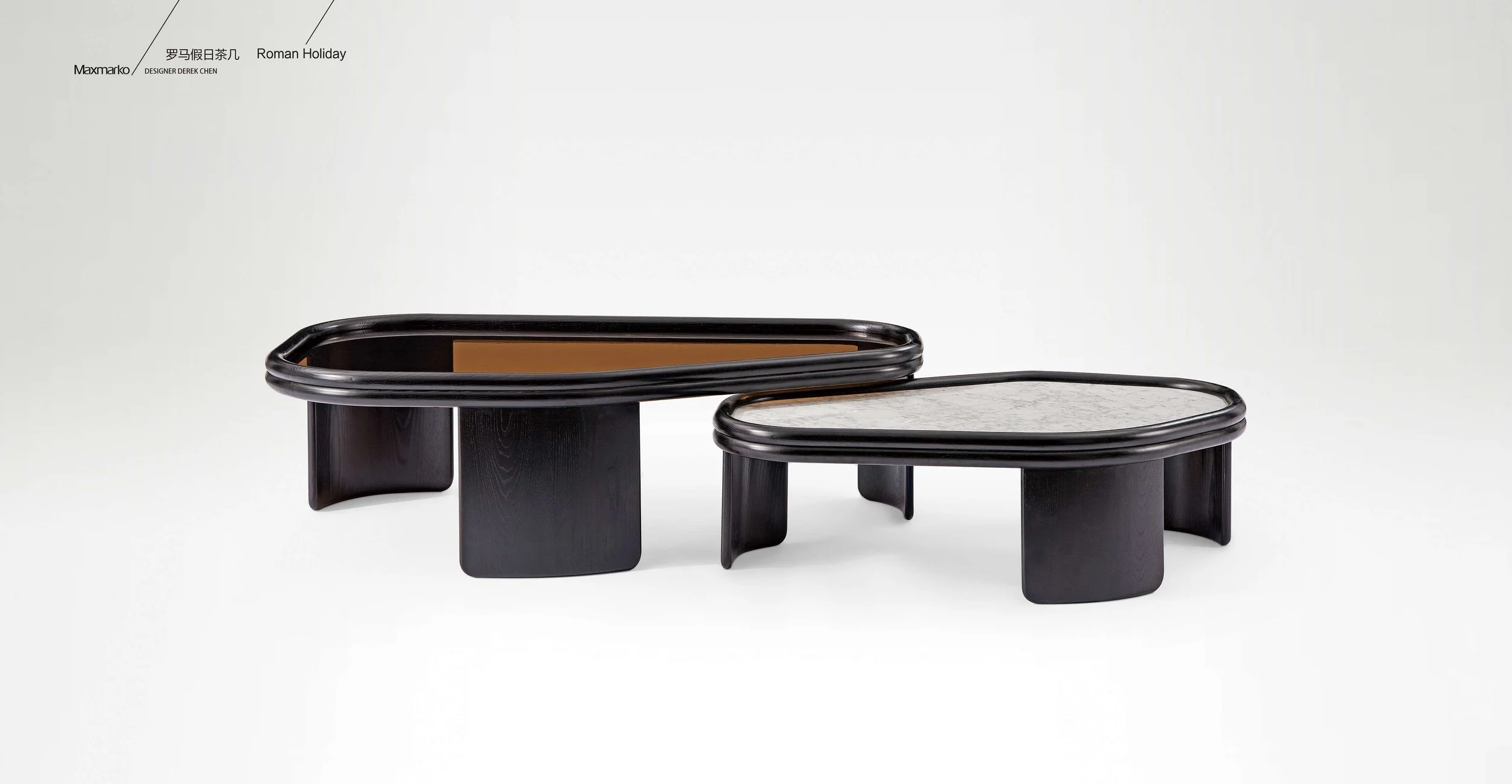 Image 3 of 5
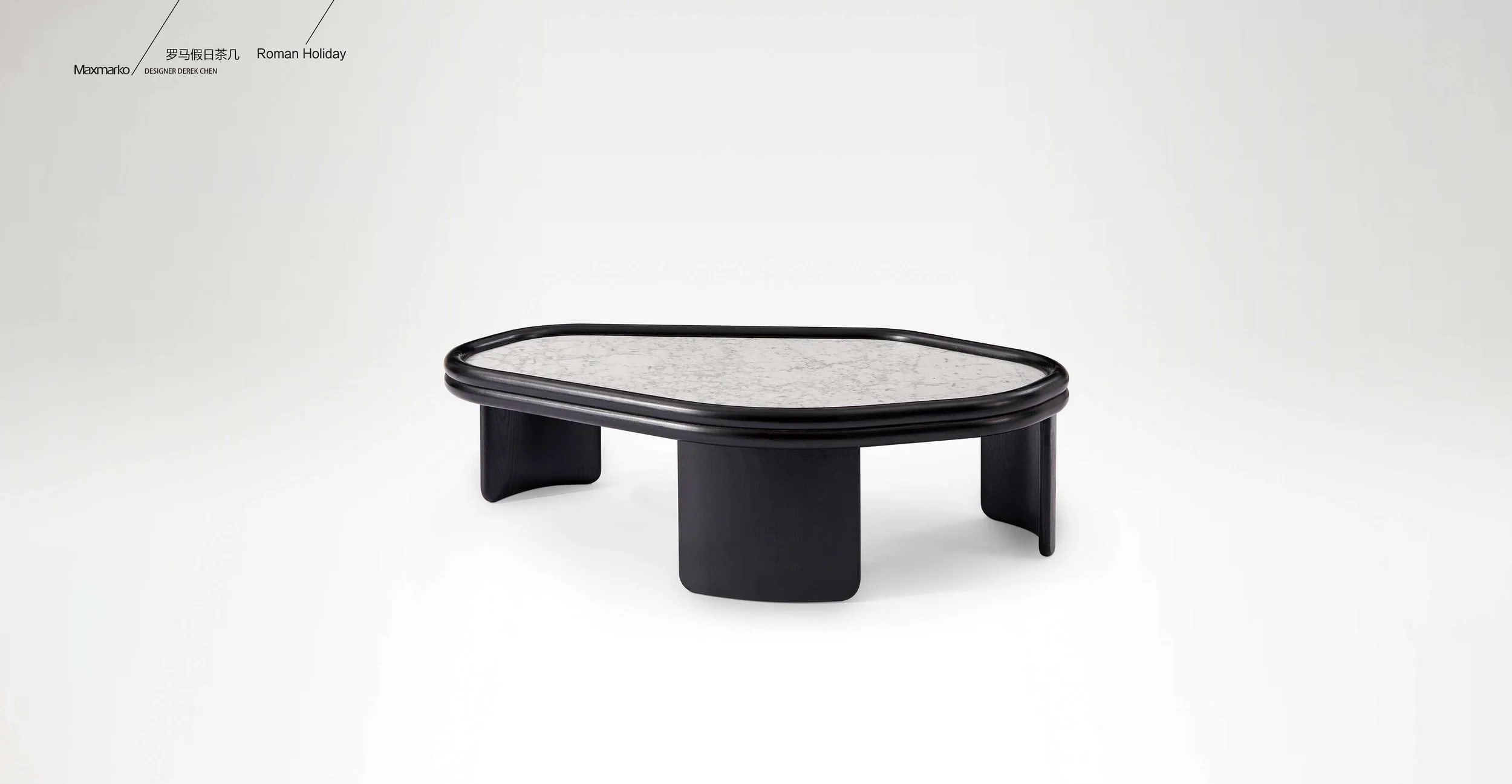 Image 4 of 5
 Image 5 of 5
About the artist
DEREK CHEN | MAXMARKO
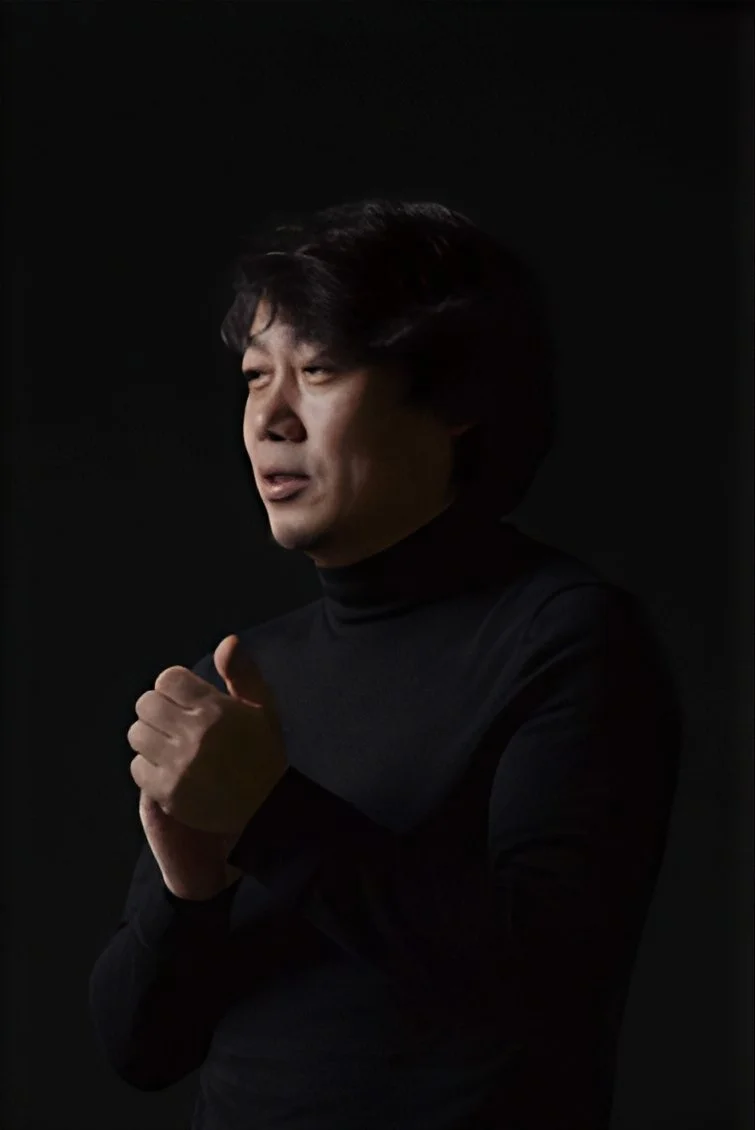
Derek Chen’s creative practice is rooted in a fundamental idea drawn from Daoist philosophy: “unity without uniformity.” This concept understands diversity not as fragmentation, but as a balanced system in which opposites coexist. It is closely connected to the theory of the Five Elements — earth, metal, wood, water and fire — primordial forces through which all things are formed, transformed and renewed.
Maxmarko was initially conceived as a Research and Design Centre, a platform created by Chen to explore new forms of expression within contemporary Chinese design. From the beginning, it was less a brand than a space for inquiry — a place where designers could develop objects with a clear identity, distancing themselves from repetition and purely industrial production.
After several years working with some of China’s most influential contemporary furniture brands, Derek Chen took a decisive step forward. In the spring of 2010, Maxmarko was established as an independent brand, marking the launch of its first collection of original designs. This moment defined the emergence of a distinctive language shaped by philosophical heritage, formal research and a contemporary understanding of everyday use.
For Chen, design is not about invention in isolation, but about discovering the underlying patterns of ordinary objects. By extracting, combining and redefining their essential elements, his work seeks to create pieces that move beyond trends and aspire to a quiet sense of permanence. Observation, proportion, function and material exist in constant dialogue, without hierarchy.
Since 2010, Maxmarko has operated its own manufacturing base, allowing full control over every stage of the process, from concept to final production. Each piece is crafted by highly skilled artisans, with a rigorous focus on quality, durability and precision. Production is understood not as an end in itself, but as a natural extension of the design philosophy.