CULTURAL TRAVELS 2026: THE DESTINATIONS SHAPING GLOBAL ART AND DESIGN
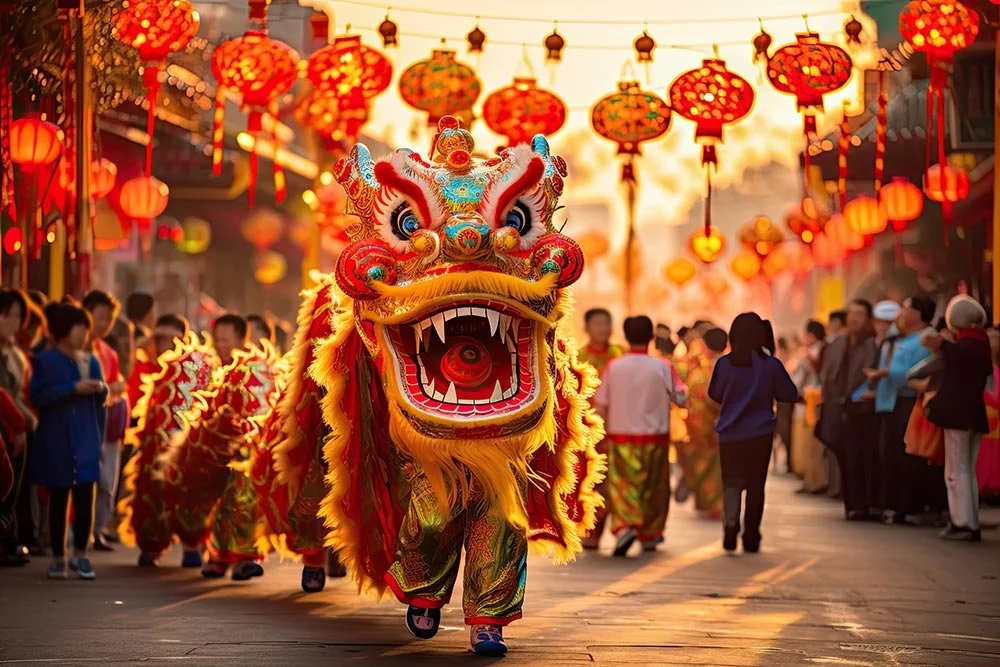
In 2026, the world enters a renewed phase of movement and exploration. After years of deep transformation —in how we travel, create and inhabit spaces— cultural destinations once again become essential reference points for those seeking inspiration, knowledge and new aesthetic sensibilities.
Travel today is no longer defined by distance alone. It is increasingly about understanding how art and design express the identity of a place while resonating with our own personal and intellectual pursuits. Movement becomes reflection. Geography becomes narrative.
This cultural travel map brings together the cities, regions and creative scenes shaping visual and material culture in 2026. From historic capitals to emerging epicentres, the year offers an opportunity to rediscover the world through art, architecture, design and contemporary thought.
ASIA: TRADITION, FUTURE AND EMERGING LANGUAGES
TOKYO
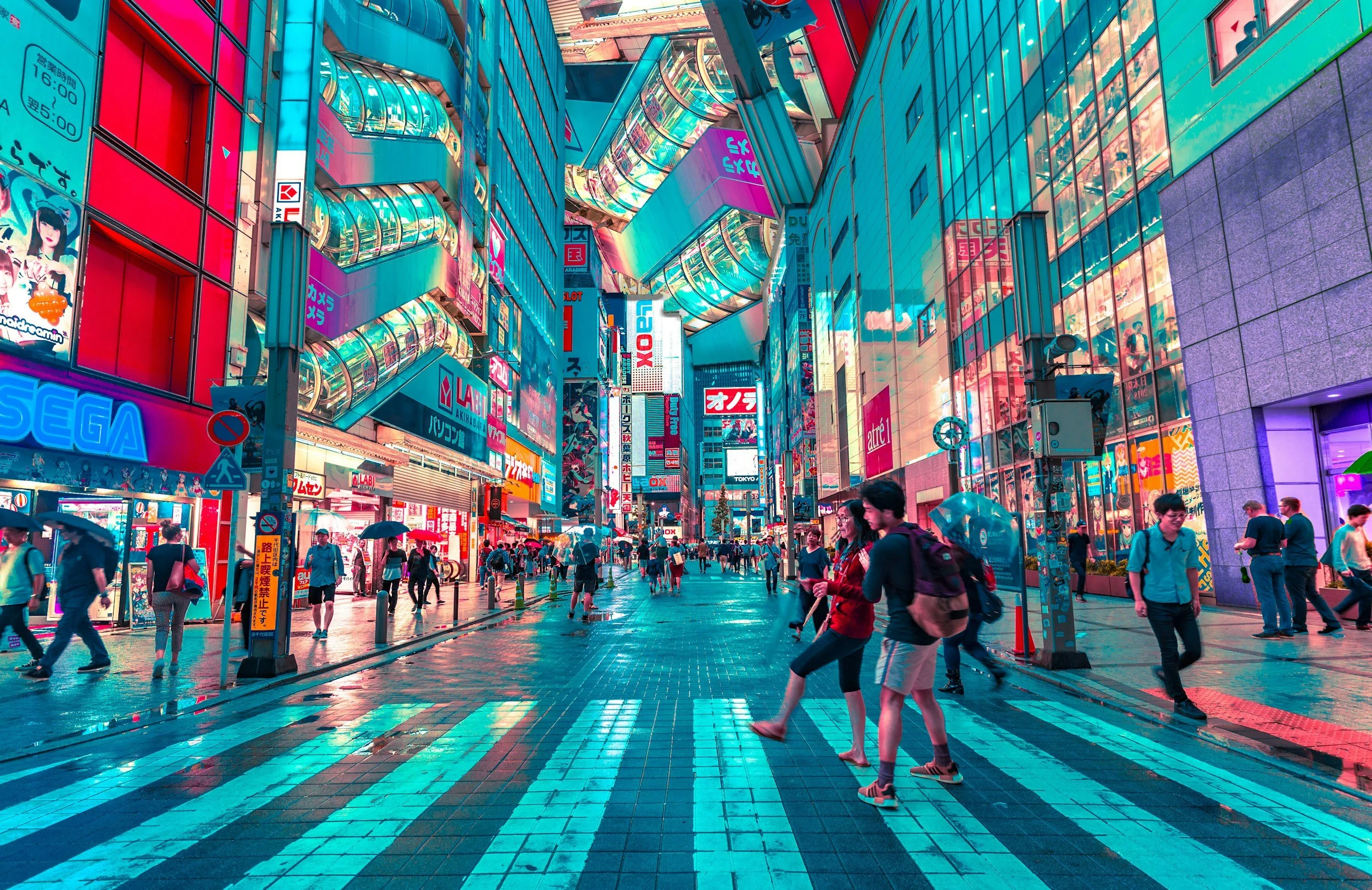
Photo by Jezael Melgoza
Tokyo continues to operate as a living laboratory where tradition and technology coexist with remarkable naturalness. In 2026, the city reinforces its position as a global reference for experimental design, refined minimalism and applied arts.
Independent studios, galleries and design spaces are increasingly influential, offering a quieter but deeper alternative to mainstream narratives. Craft, material research and spatial sensitivity define a scene that values precision, restraint and conceptual clarity.
CHENGDU
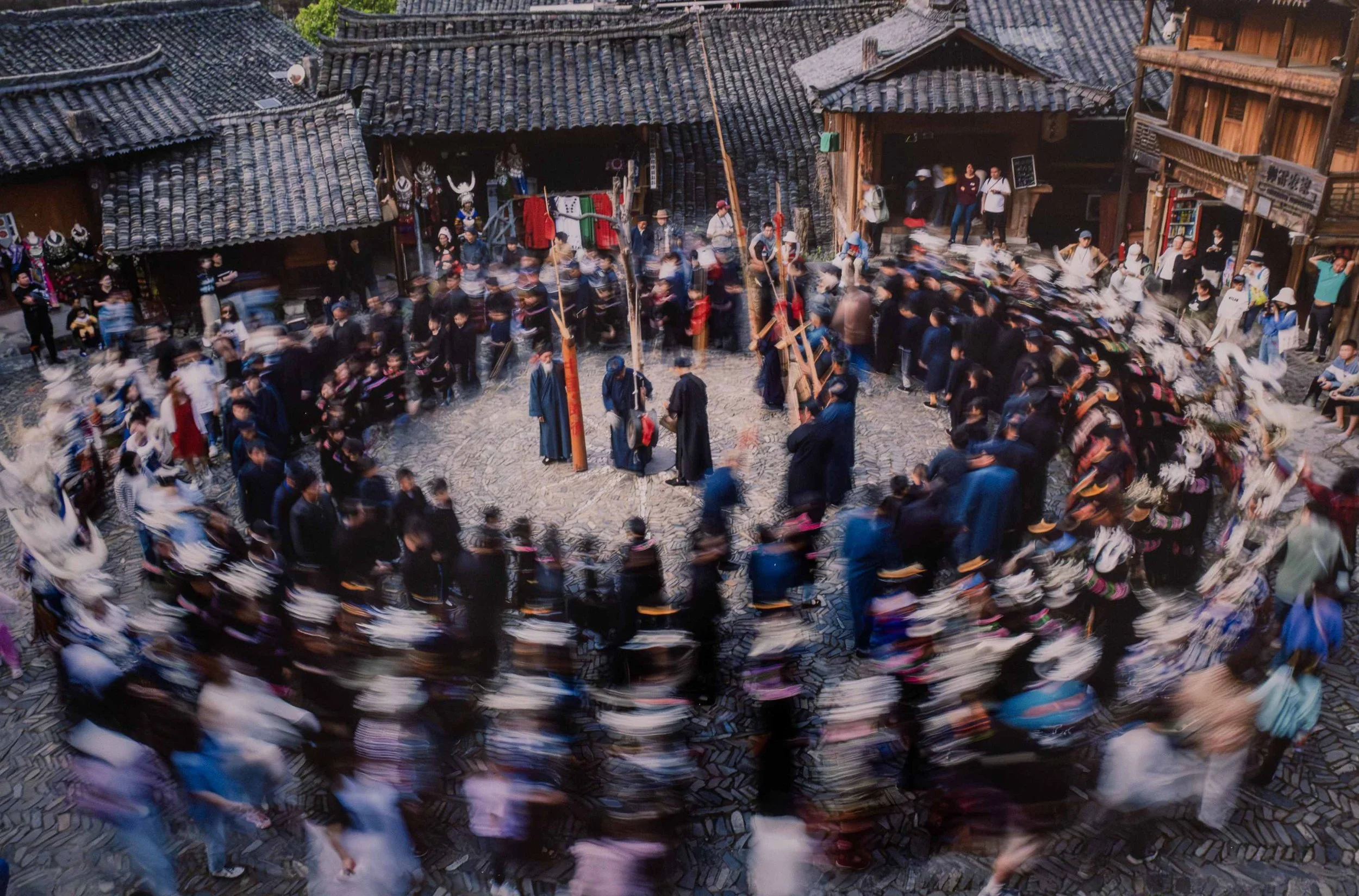
Beyond the usual cultural circuits, Chengdu has emerged as one of China’s most compelling creative centres. Its contemporary art scene is closely connected to philosophy, landscape and traditional craftsmanship, offering a slower and more introspective rhythm.
In 2026, Chengdu attracts artists, curators and collectors looking for perspectives that are less obvious and deeply rooted in cultural continuity. Here, contemporary expression is not detached from history but grows from it.
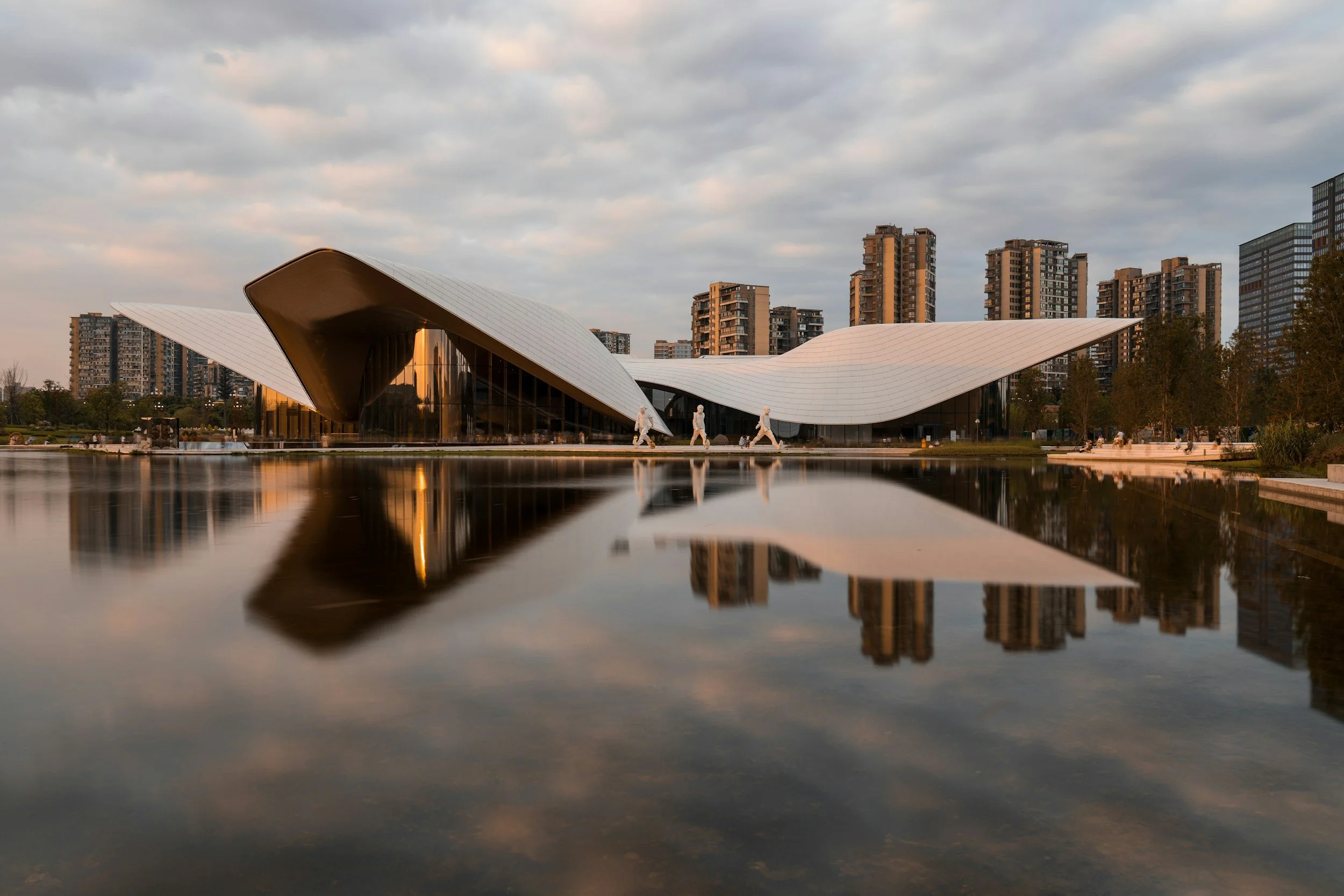
Photo by ダモ リ
SEOUL
South Korea’s design scene has reached a moment of maturity. Seoul stands out for its ability to reinterpret tradition through a contemporary lens, with a strong focus on materiality, craftsmanship and cross-disciplinary dialogue.
Architecture, fashion, art and design intersect seamlessly, creating a cultural ecosystem that feels both refined and forward-looking. In 2026, Seoul represents balance: innovation grounded in heritage.
SHANGHAI
Shanghai operates as a cultural bridge between Eastern heritage and global contemporary practices. Shaped by layers of history, trade and rapid modernisation, the city offers a complex and evolving landscape where art, design and architecture intersect.
In 2026, Shanghai stands out for its hybrid cultural spaces and collaborative initiatives that foster cross-cultural dialogue. Projects developed in collaboration with institutions such as Yuan Museum and EAST WEST reflect a growing interest in connecting Asian and European perspectives through contemporary art and collectible design.
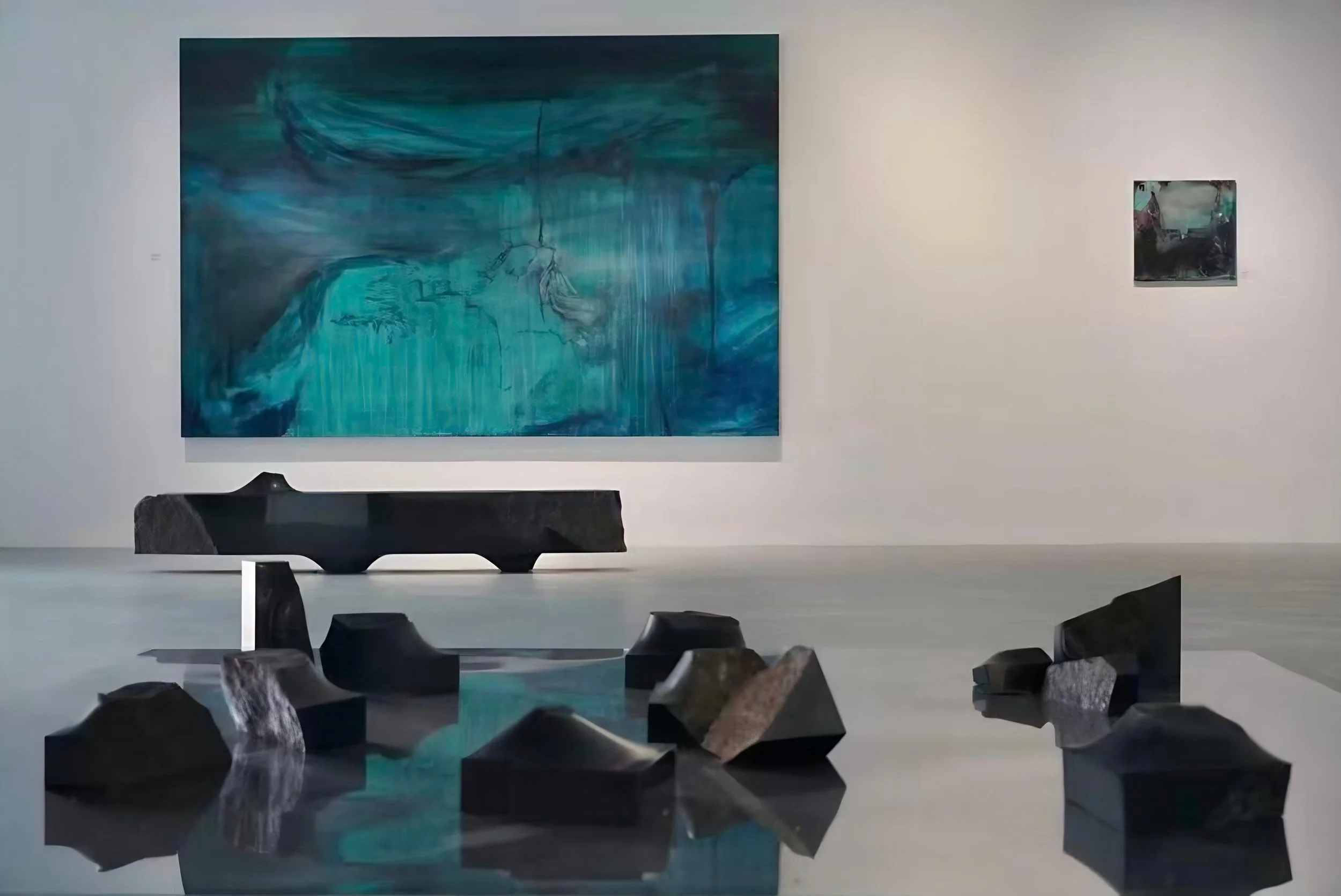
YUAN MUSEUM x EAST WEST | Contemporary Art exhibition
EUROPE: CULTURAL HERITAGE AND CONTEMPORARY THOUGHT
MILAN

Beyond the Salone del Mobile, Milan remains essential for understanding the present and future of design. The city continues to evolve as a meeting point for collectible design, contemporary art and architecture.
In 2026, Milan’s strength lies in its network of independent galleries, studios and hybrid spaces, where experimentation and authorship are prioritised over mass production. Design here is cultural, intellectual and deeply material.
SALONE DEL MOBILE 2026 MILANO
The complete guide
PARIS
Paris is experiencing a quiet but significant cultural renewal. Rather than spectacle, the city focuses on depth: craftsmanship, unique objects and a refined dialogue between history and contemporary creation.
In 2026, Paris offers a sophisticated cultural landscape where luxury, critical thinking and artistic sensitivity coexist. It is a destination for those who value nuance, context and long-term vision.
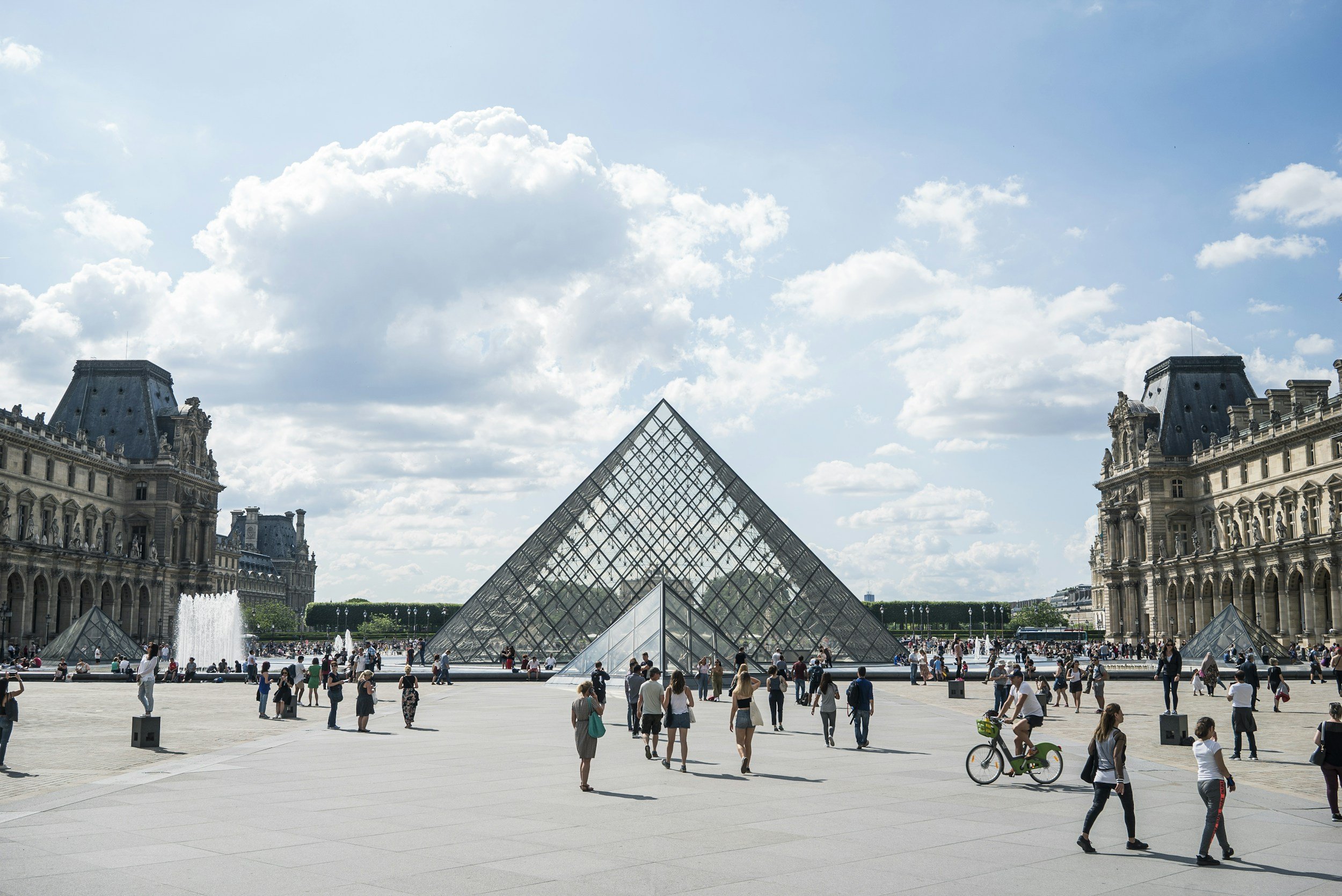
Photo by Get flat.social
BERLIN
Always in transformation, Berlin remains a refuge for radical and experimental practices. Its art scene is less market-driven and more conceptually oriented, attracting creators engaged with social, political and spatial questions.
In 2026, Berlin continues to appeal to those seeking alternative narratives and a direct relationship between art, society and urban life.
SPAIN, Barcelona
Within Europe, Barcelona occupies a singular position. Beyond its architectural legacy, the city has become a fertile ground for contemporary art, collectible design and interdisciplinary practices operating between craftsmanship and conceptual thinking.
In 2026, Barcelona’s relevance lies in its independent ecosystem: studios, galleries and hybrid spaces that prioritise authorship, material exploration and cultural dialogue over spectacle. Here, design is understood not as decoration, but as a form of thought rooted in place, history and lived experience.
The city’s modernist heritage coexists with new contemporary narratives, creating a layered cultural landscape that continues to attract artists, designers and collectors seeking depth rather than trends.
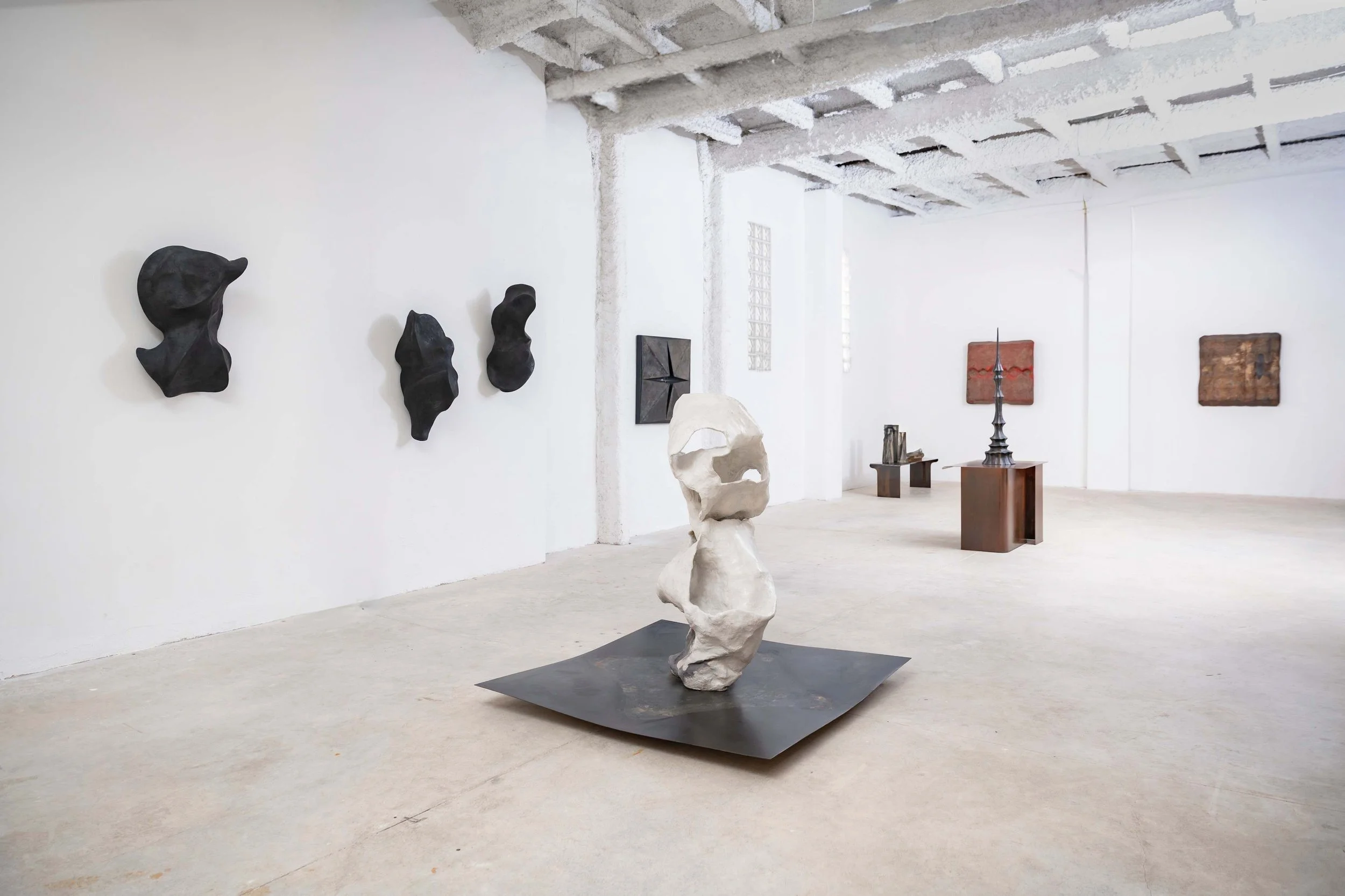
BODILESS exhibition | Photo by Daniel López
THE AMERICAS: IDENTITY, TERRITORY AND CULTURAL EXPRESSION
MEXICO CITY
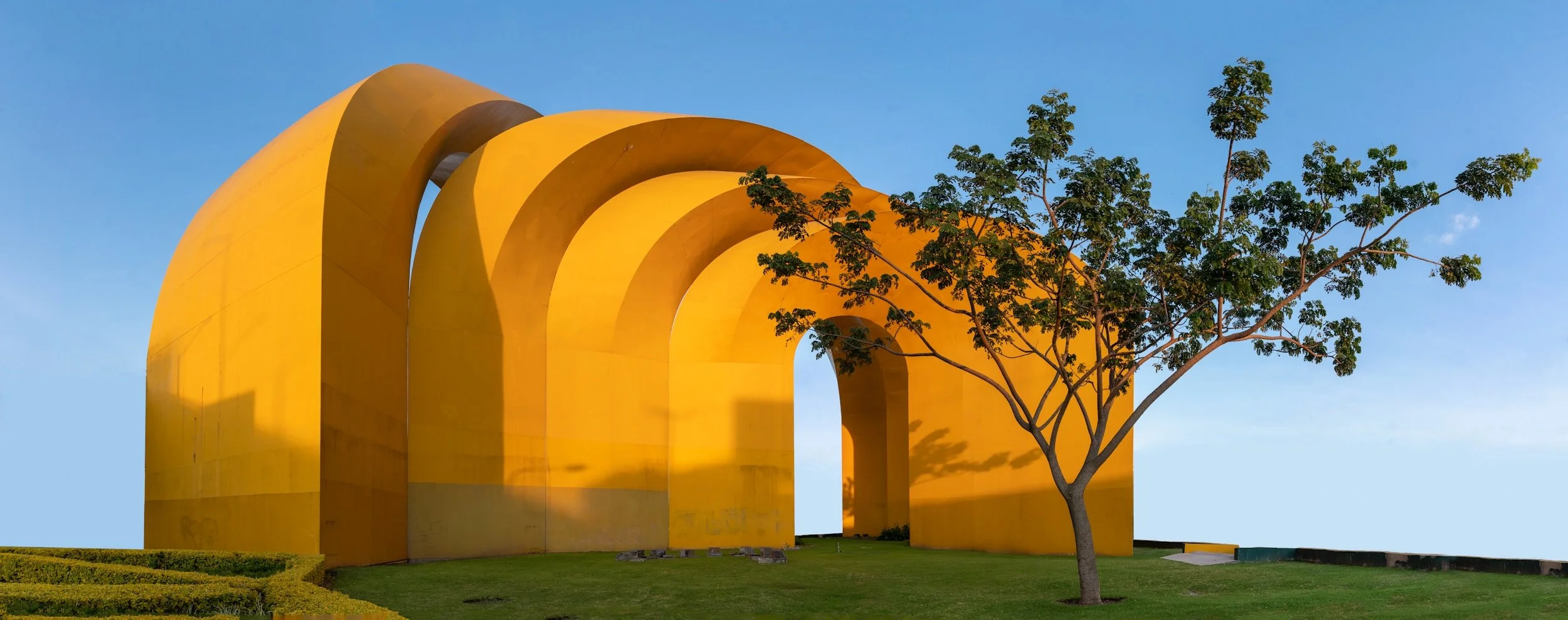
Photo by Intricate Explorer
Mexico City has firmly established itself as one of the most powerful creative centres in the Americas. Its cultural strength lies in the connection between tradition, craftsmanship, contemporary design and a deep relationship with territory.
In 2026, the city stands out for its authenticity and its ability to transform cultural heritage into contemporary expression without losing complexity or depth.
NEW YORK
New York needs little introduction, yet it remains essential for understanding the global art and design market. In 2026, its relevance lies in its ability to absorb international influences and transform them into new cultural narratives.
The city continues to function as a global crossroads, where ideas circulate, collide and evolve.
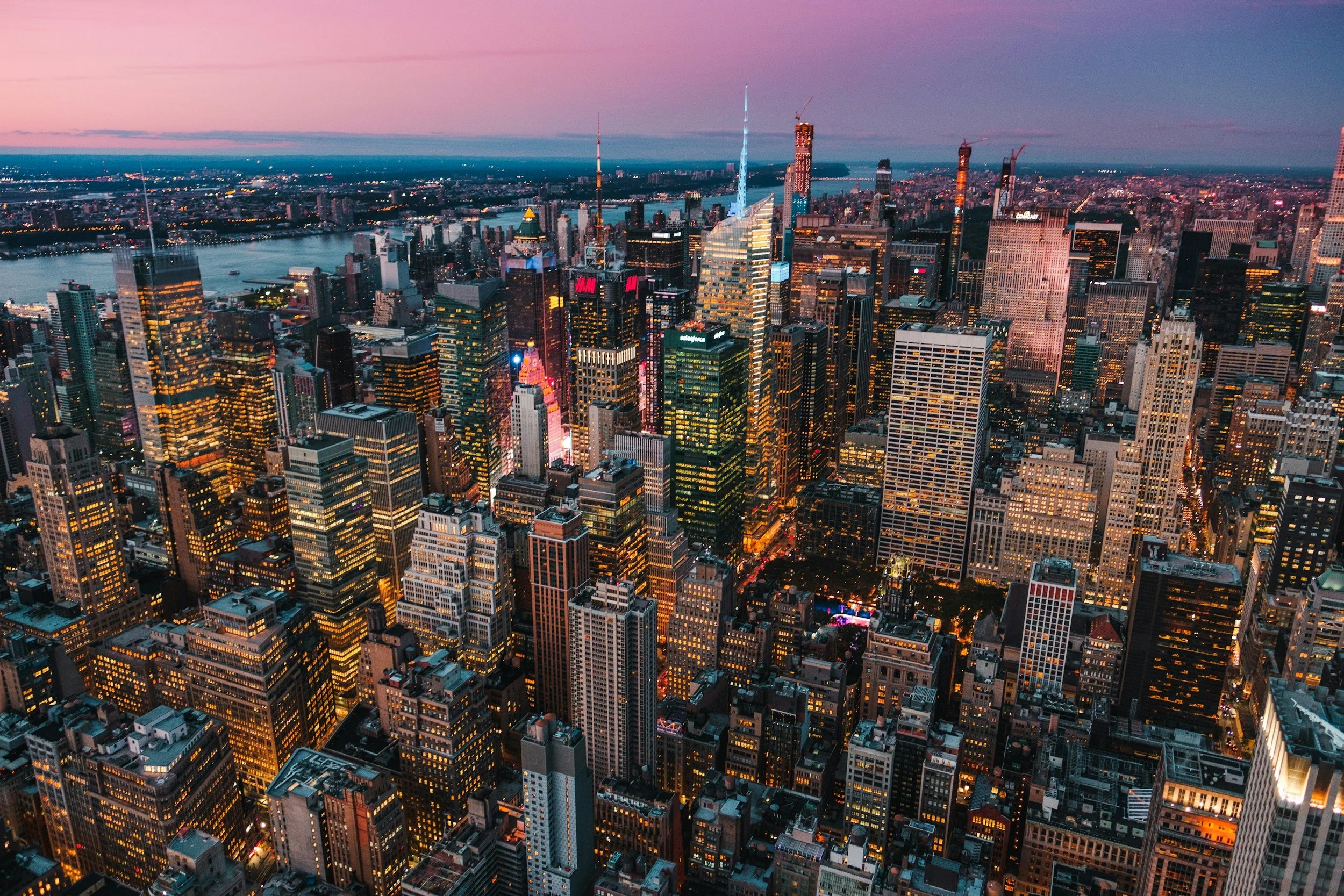
Photo by Jan Folwarczny
SÃO PAULO
Dynamic, intense and diverse, São Paulo is a key reference for contemporary art, architecture and socially engaged design. The city understands culture as a tool for transformation, reflection and dialogue.
Its creative energy reflects a metropolis in constant tension — productive, challenging and deeply alive.
DISCOVER THE TOP INTERNATIONAL EVENTS IN 2026
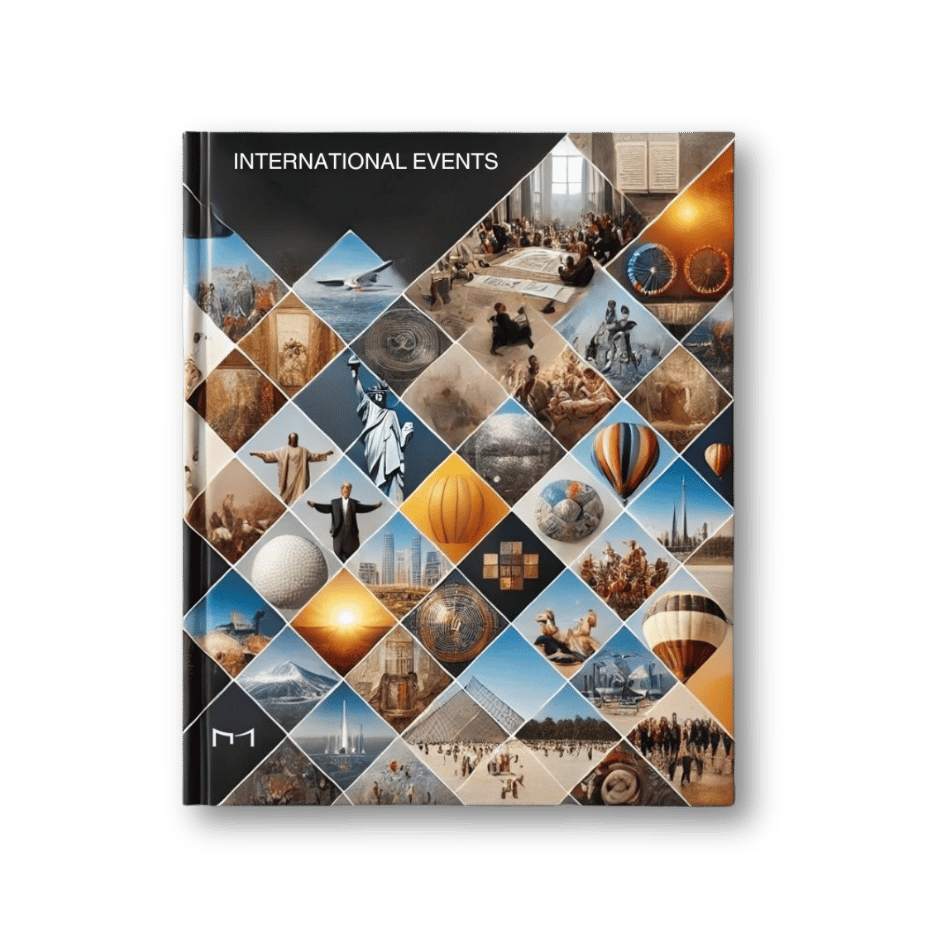
BEYOND DESTINATIONS:
TRAVEL AS A CULTURAL ACT
Cultural Travels 2026 is not a conventional travel guide, nor a closed list of recommendations. It is an invitation to travel with awareness — to observe spaces, objects and people as expressions of cultural context.
In an increasingly homogenised world, these destinations stand out for their ability to preserve identity while generating relevant contemporary discourse. Travel becomes a way to understand the present and anticipate future cultural shifts.
In 2026, true luxury is not measured by distance or exclusivity, but by depth of understanding — by the ability to connect with places through art, design and thought.
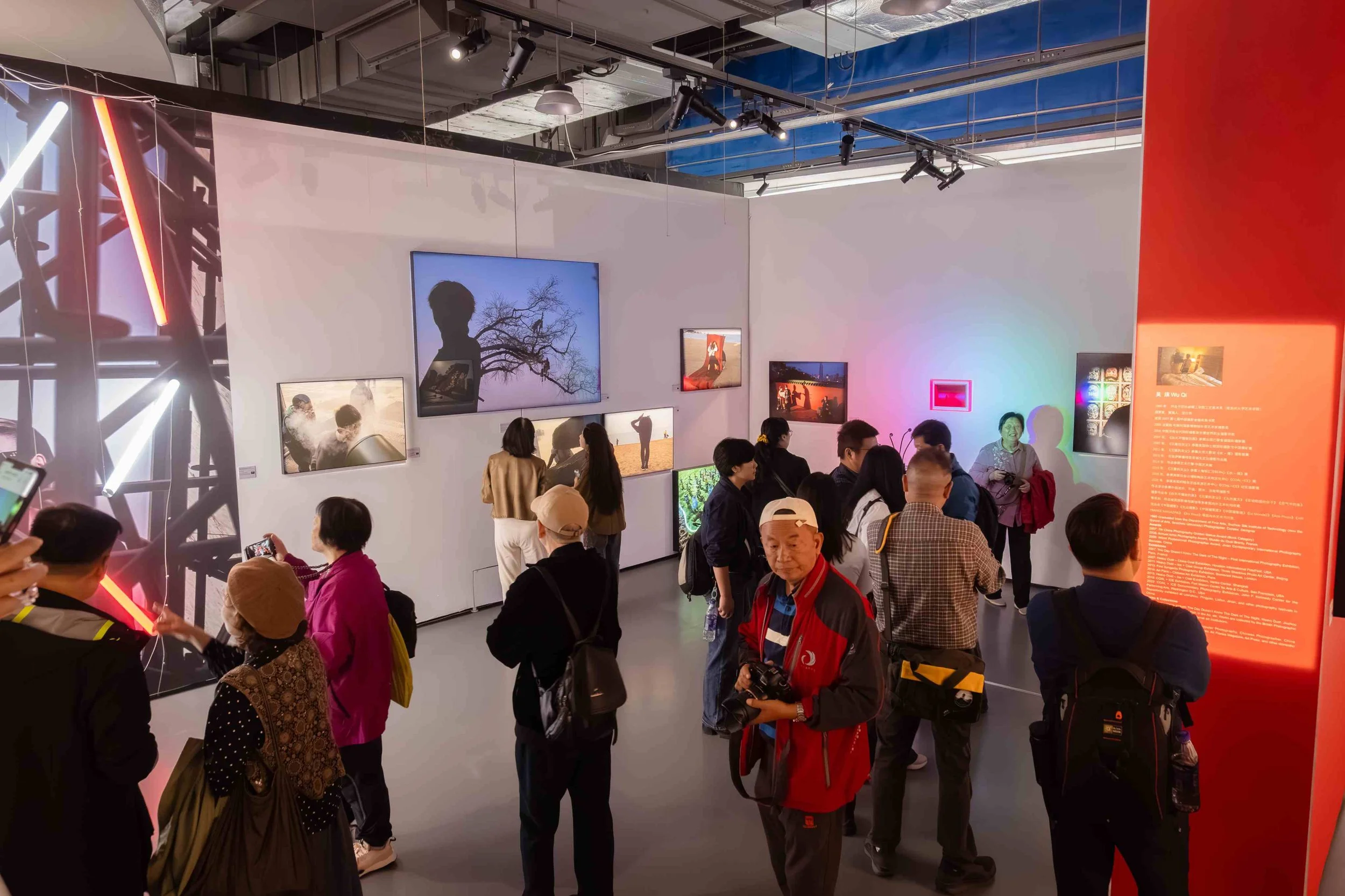
Photo by María Pujol | EAST WEST artist
Follow EAST WEST to stay connected to the artists shaping a different world.
More articles you might be interested in...